Artists

Murakami Takashi 작가 이미지

Murakami Takashi

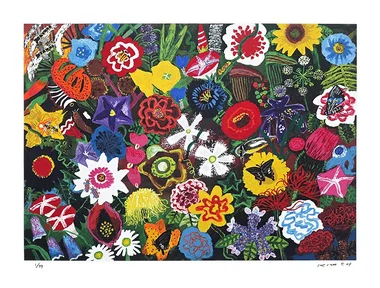
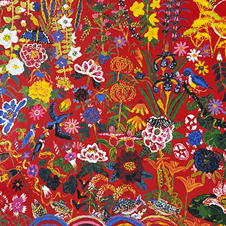
무라카미 다카시는 도쿄를 기반으로 활동하는 일본의 현대미술가이자 팝 아티스트로, '아시아의 앤디 워홀'이라고 불린다. 그는 문화와 예술의 경계를 허물며 자신만의 독특한 세계관을 확장하는 데 주력해왔다. 그의 작품은 일본 전통 화풍의 평면성과 장식성을 중시하면서도, 애니메이션과 만화라는 일본 대중문화의 요소를 결합한 예술 세계를 펼친다. 무라카미는 1994년 미국 뉴욕의 P.S.1 현대미술관 스튜디오 프로그램에 참여하면서 국제 미술계에 이름을 알리기 시작했다. 2000년 로스앤젤레스 현대미술관에서 열린 '슈퍼 플랫(Superflat)' 전시를 통해 일본 사회의 복잡한 하위문화 현상을 설득력 있게 표현하였고, 이를 통해 서양인들에게 아시아에 대한 새로운 시각을 제시하였다. 2001년부터는 카이카이 키키(Kaikai Kiki Co., Ltd.)를 설립하여 신진 작가 육성, 매니지먼트, 아트 상품 개발, 애니메이션 제작 등 다양한 분야에서 활발한 활동을 이어가고 있다. 2003년에는 프랑스의 패션 그룹 루이뷔통과 협업하여 마크 제이콥스와 함께 핸드백과 다양한 장식품을 디자인하며 큰 관심을 받았다. 2024년에는 걸그룹 뉴진스와 아트 협업을 진행하며, 패션과 대중문화의 경계를 넘나드는 왕성한 활동을 이어가고 있다. Takashi Murakami is a contemporary Japanese artist based in Tokyo, often referred to as the 'Andy Warhol of Asia.' He is known for breaking down the boundaries between culture and art, expanding his own unique worldview. His works emphasize the flatness and ornamentation of traditional Japanese art while incorporating elements of anime and manga, representing Japanese popular culture. Murakami gained international recognition in 1994 when he participated in the P.S.1 Contemporary Art Center's studio program in New York. His 2000 exhibition, 'Superflat,' at the Los Angeles Museum of Contemporary Art, effectively showcased the complex subcultures of Japanese society, offering a fresh perspective to Western audiences with persistent stereotypes about Asia. In 2001, Murakami established Kaikai Kiki Co., Ltd., where he focuses on nurturing and managing emerging artists, developing and selling art products, and creating animation. In 2003, he gained significant attention by collaborating with Marc Jacobs for Louis Vuitton to design handbags and other accessories. In 2024, he continued his vibrant cross-industry activity by collaborating with the K-pop group New Jeans on an art project, expanding his reach in fashion, popular music, and culture.

Chun Kwang Young 작가 이미지

Chun Kwang Young

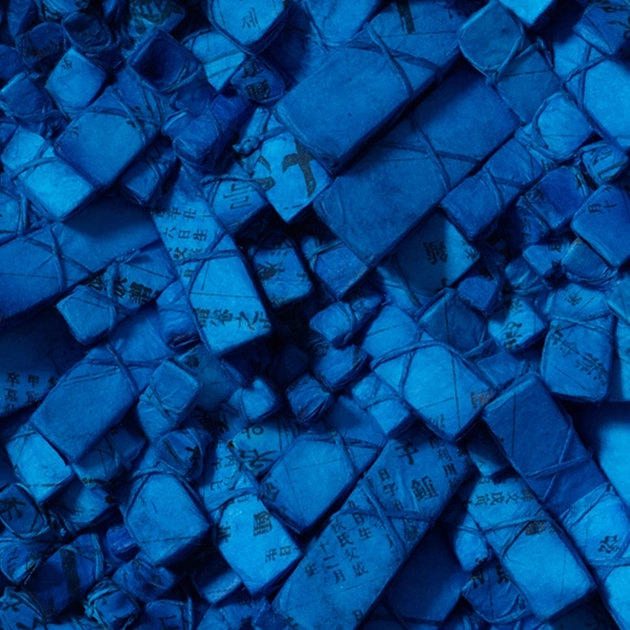
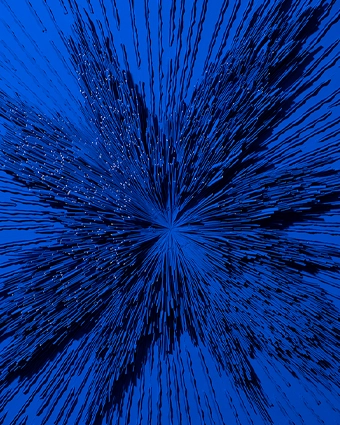
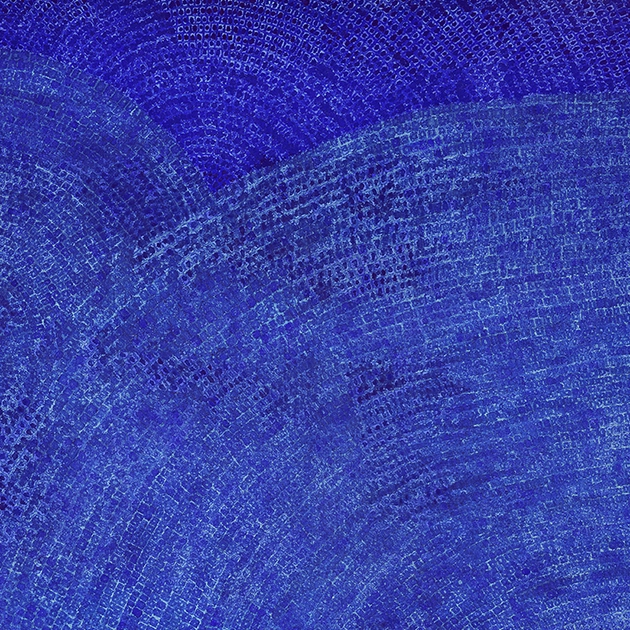
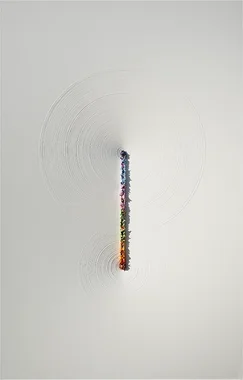
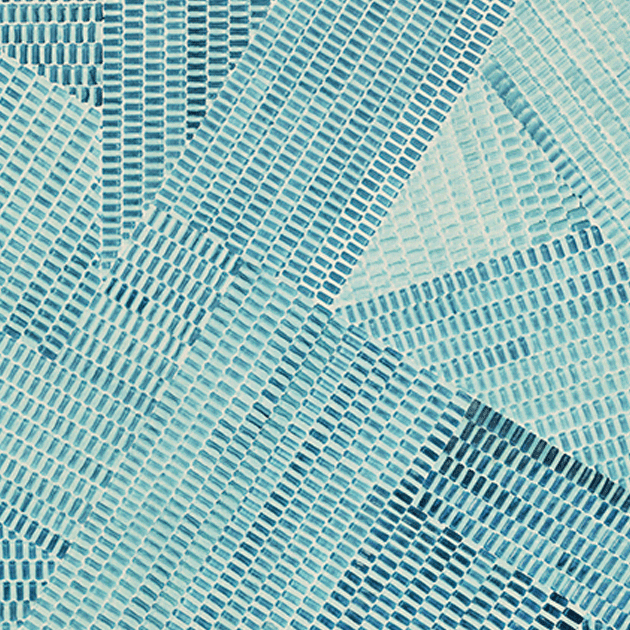
한국의 전통 재료인 한지를 통해 동서양의 미학을 잇는 독창적인 조형 언어를 완성한 전광영 작가. 홍익대학교 회화과와 필라델피아 예술대학 대학원을 졸업한 그는, 서구 추상회화의 문법 위에 한국적 정서와 철학을 접목했다. 1990년대 중반부터 시작된 대표 시리즈 그는 ‘한지를 접고 묶는’ 행위를 통해 창조와 소멸, 생명과 순환의 개념을 시각화하며, 시간의 누적과 인간 존재의 본질을 탐구한다. 종이 하나하나에는 옛 한문서나 신문이 인쇄되어 있어, 각기 다른 기억과 언어가 층층이 쌓여 거대한 질서를 이루는 듯한 인상을 준다. 전광영의 작품은 회화와 조각, 동양과 서양, 전통과 현대의 경계를 허물며 세계 미술계에 깊은 울림을 남겼다. 그의 〈Aggregations〉 시리즈는 뉴욕 브루클린 미술관, 워싱턴 D.C.의 스미스소니언 박물관, 런던 빅토리아 앤 앨버트 뮤지엄 등 세계 주요 미술관에 소장되어 있다. 그는 “한지를 통해 수천 년의 기억을 다시 엮어내는 일”이라 말하며, 한지의 물성과 영혼으로 시대와 인간의 본질을 사유한다. 그의 작품은 대영박물관, 우양미술관, UN본부, 리움미술관, 국립현대미술관 등에 소장되어 있다. Artist Chun Kwang Young has forged a unique visual language that bridges Eastern and Western aesthetics through the traditional Korean material of hanji. A graduate of Hongik University’s Department of Painting and the University of the Arts in Philadelphia, he integrates Korean sensibility and philosophy into the formal vocabulary of Western abstraction. His signature series Aggregations, begun in the mid-1990s, consists of dimensional paintings created by attaching thousands—sometimes tens of thousands—of small triangular hanji parcels to a canvas. Each work serves as a symbolic manifestation of the artist’s worldview. Through the repetitive acts of folding and binding hanji, Chun visualizes concepts of creation and dissolution, life and circulation, probing the accumulation of time and the essence of human existence. The individual pieces of paper, printed with old Chinese texts or newspapers, evoke layers of memories and languages that together form a monumental and poetic order. Chun Kwang Young’s works dissolve the boundaries between painting and sculpture, East and West, and tradition and modernity, leaving a profound impact on the global art world. His Aggregations are housed in major institutions worldwide, including the Brooklyn Museum in New York, the Smithsonian Museum in Washington, D.C., and the Victoria and Albert Museum in London. The artist describes his practice as “weaving together thousands of years of memory through hanji,” reflecting on the nature of time and humanity through the material and spirit of paper. His works are also held in the collections of the British Museum, the Wooyang Museum of Contemporary Art, the United Nations Headquarters, the Leeum Museum of Art, and the National Museum of Modern and Contemporary Art, Korea.

Yoon Byung Rock 작가 이미지

Yoon Byung Rock

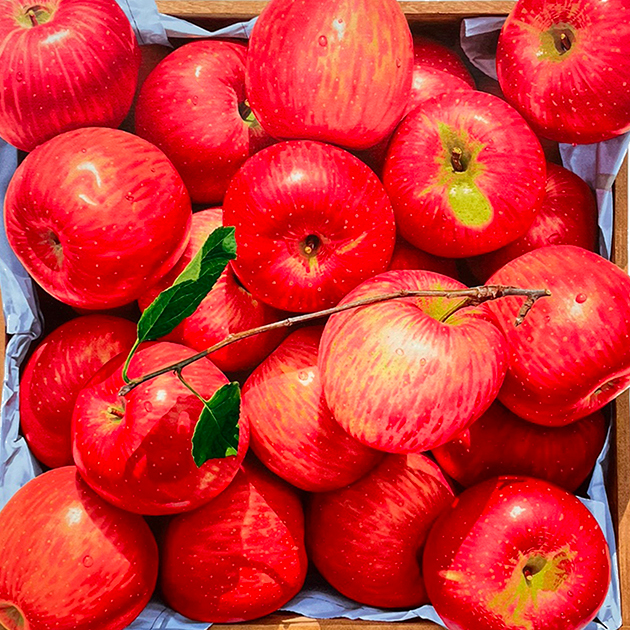
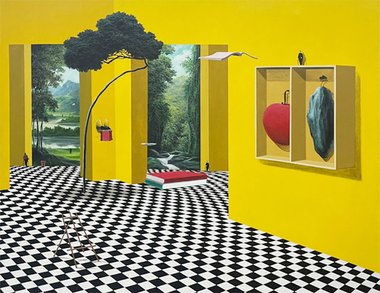
‘사과 작가’로 알려진 윤병락은 1968년 경북 영천 출신으로, 경북대학교 서양화과와 동 대학원을 졸업했다. 구상회화가 강세였던 대구 미술계에서 생존하기 위해 묘사에 집중해 연구한 그는 재학 중 대한민국미술전람회 특선과 대구미술대전 대상을 수상하며 두각을 나타냈다. 그의 작품은 사과가 마치 굴러떨어질 듯 화면 밖으로 확장되는 효과가 특징이며, 정형화된 사각 캔버스 대신 직접 제작한 변형 화판을 사용해 가상과 현실의 경계를 흐린다. 사과는 작가에게 고향과 추억을 상징하는 소재로, 즐겁고 행복한 감정을 관람객과 나누고자 한다. 윤병락의 사과 회화는 단순한 극사실주의를 넘어, 상업자본주의 사회에서 자연이 상품화되는 현실을 은유한다. 박스에 가득 담긴 사과는 풍요와 소유의 욕망을 환기하고, 환경 이미지나 복제 동물과 결합되며 인간 중심적 욕망이 자연의 다양성을 소멸시키는 문제를 드러낸다. 그러나 작가는 사과를 상징에 고착시키기보다 조형적 소재로 다루며, 작업의 핵심을 ‘형식’에 둔다. 그는 변형 캔버스를 통해 회화를 중성적인 재현의 틀에서 벗어나 적극적인 조형 언어로 확장시켜 왔다. 2000년대 이후에는 틀 자체를 전면화하며 공간 인식의 확장을 시도했고, 최근에는 FRP 사과 입체 작업으로 화면을 넘어 전시 공간을 점유한다. 이러한 작업은 회화를 설치적 장치로 확장하며, 재현과 현실의 경계를 넘나드는 새로운 시각적 경험을 제시한다. Known as the “apple painter,” Yoon Byung-rak was born in 1968 in Yeongcheon, Gyeongsangbuk-do, and earned both his BFA and MFA in Western painting from Kyungpook National University. Working in Daegu’s art scene—where figurative painting held strong influence—he focused intensely on the craft of depiction to establish his artistic identity. During his studies, he gained recognition by receiving a Special Selection at the National Art Exhibition of Korea and the Grand Prize at the Daegu Art Exhibition. His paintings are characterized by apples rendered so vividly that they seem to roll off the canvas, and he often uses custom-shaped panels instead of conventional rectangular canvases to blur the boundary between illusion and reality. For the artist, apples symbolize his hometown and memories, serving as a medium through which he wishes to share feelings of joy and happiness with viewers. Yoon’s apple paintings go beyond simple hyperrealism, functioning as metaphors for the commodification of nature in a capitalist society. Boxes overflowing with apples evoke ideas of abundance and the desire for possession, while their combination with environmental imagery or cloned animals highlights how anthropocentric desires threaten the diversity of nature. Nevertheless, rather than reducing apples to fixed symbols, Yoon treats them as formal elements, placing the core of his practice in the realm of composition and structure. Through his use of shaped canvases, he pushes painting beyond a neutral representational frame and transforms it into an active visual language. Since the 2000s, he has emphasized the frame itself, exploring expanded spatial perception, and more recently, he has extended his work into the exhibition space through three-dimensional FRP apple sculptures. These works expand painting into an installation-like form, offering viewers new visual experiences that traverse the boundaries between representation and reality.

Lee Wal Chong 작가 이미지

Lee Wal Chong

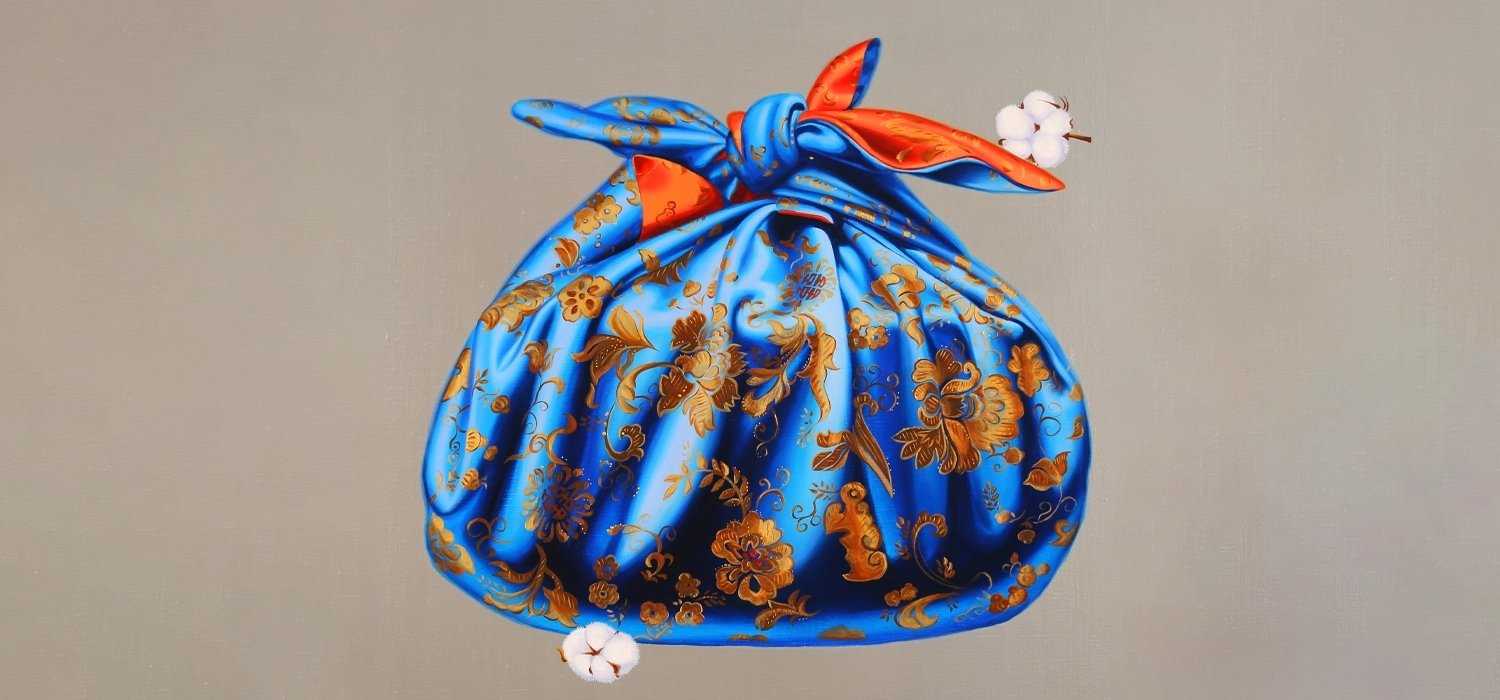
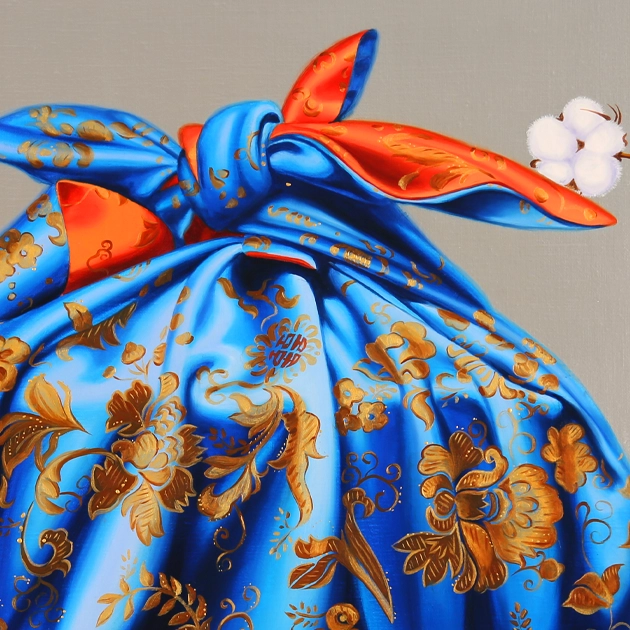
이왈종은 한국 현대미술을 대표하는 화가로, 중앙대학교 회화과와 건국대학교 교육대학원을 졸업한 뒤 추계예술대학교 교수로 재직하다가 1990년 제주 서귀포로 이주해 작품 활동에 전념하고 있다. 그는 전통 수묵화의 정신을 바탕으로 한국의 자연과 삶을 현대적으로 재해석해 왔다. 특히 제주는 그의 작업 세계에서 중요한 전환점으로, 산과 물, 바람과 생명 등 자연의 요소를 사실적 재현이 아닌 상징적이고 서사적인 이미지로 풀어낸다. 수묵과 담채, 문인화적 필선을 기반으로 하면서도 화려한 색채와 자유로운 화면 구성, 혼합매체를 적극 활용해 수묵채색의 현대화를 추구한다. 그의 작품은 평면 회화를 넘어 부조, 조각, 도자, 보자기 등 다양한 매체로 확장되며, 전통과 현대, 동양과 서양의 조화를 통해 한국 미술의 정체성을 탐구한다. 화면 속에는 여러 시간과 이야기가 중첩되며, 자연과 인간의 관계에 대한 깊은 성찰이 서정적으로 드러난다. 이러한 화면 구성은 관람자로 하여금 단순한 풍경 감상을 넘어, 삶과 존재에 대한 사유의 공간으로 이끈다. 자유로운 표현 방식 속에서도 그의 작업에는 일관된 정신성과 서정성이 유지된다. 이는 자연을 통해 인간의 내면과 기억을 되돌아보게 하는 작가 특유의 시선에서 비롯된다. 이러한 예술적 성취로 국전 9회 입선, 월전미술상(2001), 한국미술문화대상(2009) 등 다수의 수상 경력을 보유하고 있다. Lee Wal-chong is a leading figure in Korean contemporary art. After earning his degree in painting from Chung-Ang University and completing graduate studies at the College of Education at Konkuk University, he served as a professor at Chugye University for the Arts. In 1990, he relocated to Seogwipo, Jeju Island, where he has since devoted himself fully to his artistic practice. Grounded in the spirit of traditional ink painting, his work reinterprets Korean nature and everyday life through a contemporary lens. Jeju Island marked a pivotal turning point in his artistic journey. Its mountains, water, wind, and living organisms are not depicted through literal representation but are transformed into symbolic and narrative images. While rooted in ink and light color washes and the brushwork of literati painting, Lee actively embraces vivid colors, dynamic compositions, and mixed media, pursuing a modern evolution of ink-and-color painting. His artistic practice extends beyond two-dimensional painting to include relief works, sculpture, ceramics, and textile forms such as bojagi. Through this expansion of media, he explores the identity of Korean art by harmonizing tradition and modernity, as well as Eastern and Western sensibilities. Multiple layers of time and narrative coexist within his compositions, revealing a poetic meditation on the relationship between nature and humanity. His works invite viewers beyond the appreciation of landscape into a contemplative space that reflects on life and existence. Despite his free and expressive visual language, a consistent sense of spirituality and lyricism permeates his oeuvre. This continuity arises from the artist’s distinctive perspective, which uses nature as a mirror through which to revisit human memory and inner experience. In recognition of his artistic achievements, Lee has received numerous honors, including nine selections at the National Art Exhibition of Korea, the Woljeon Art Award (2001), and the Korean Art and Culture Grand Prize (2009).

Kim Bo Hie 작가 이미지

Kim Bo Hie

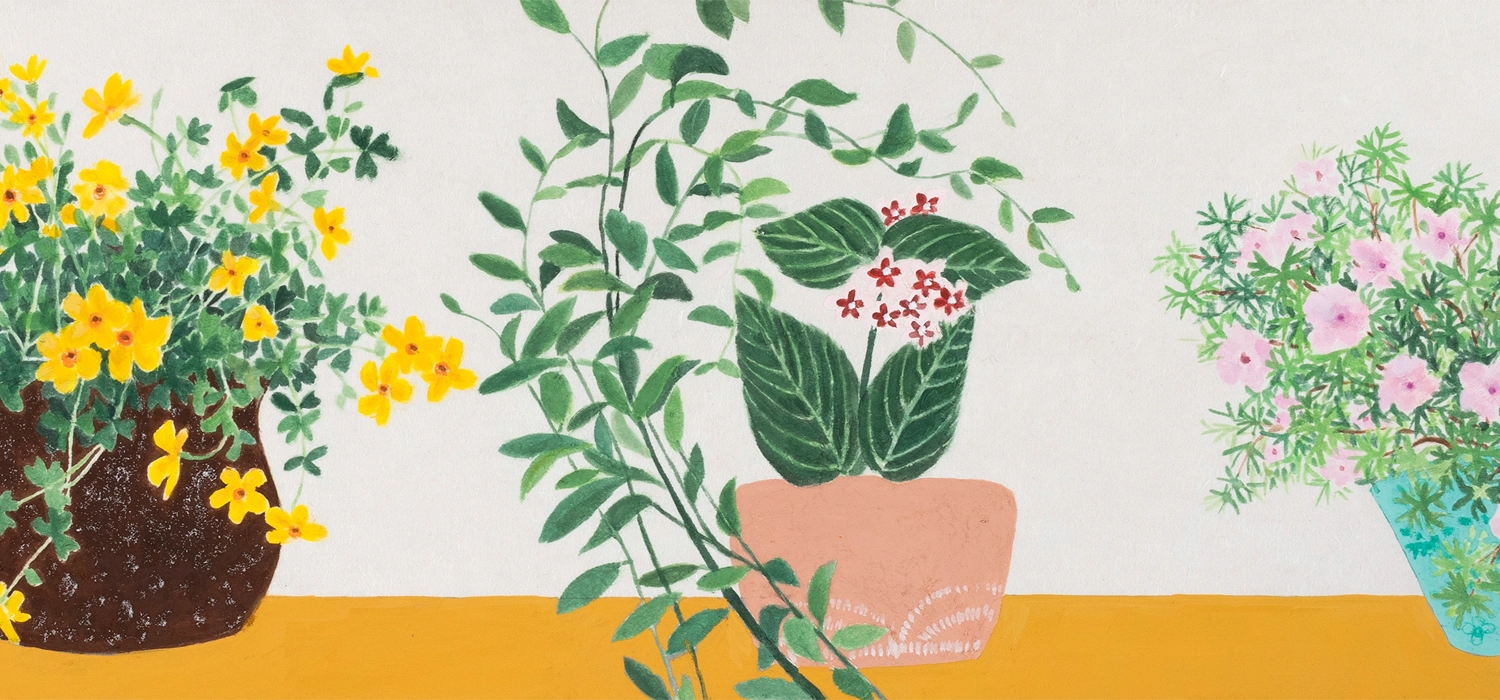
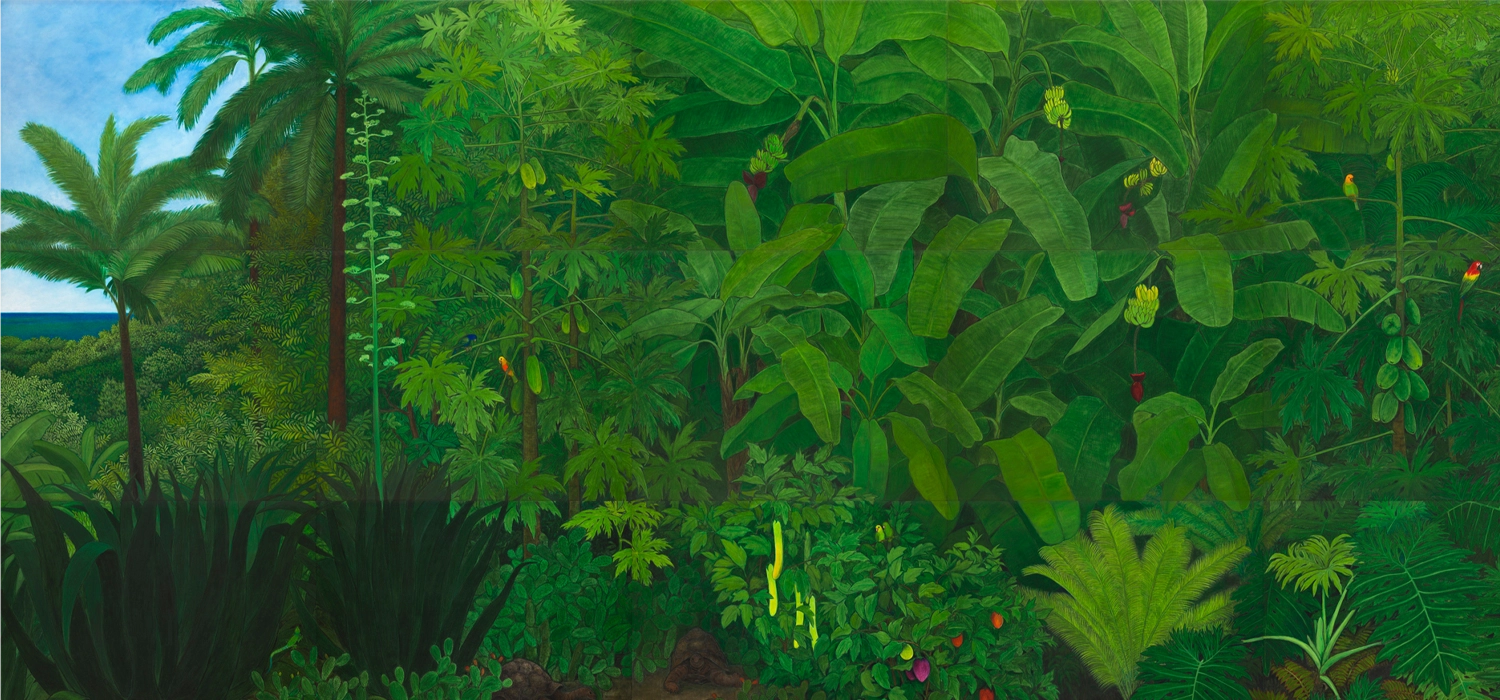
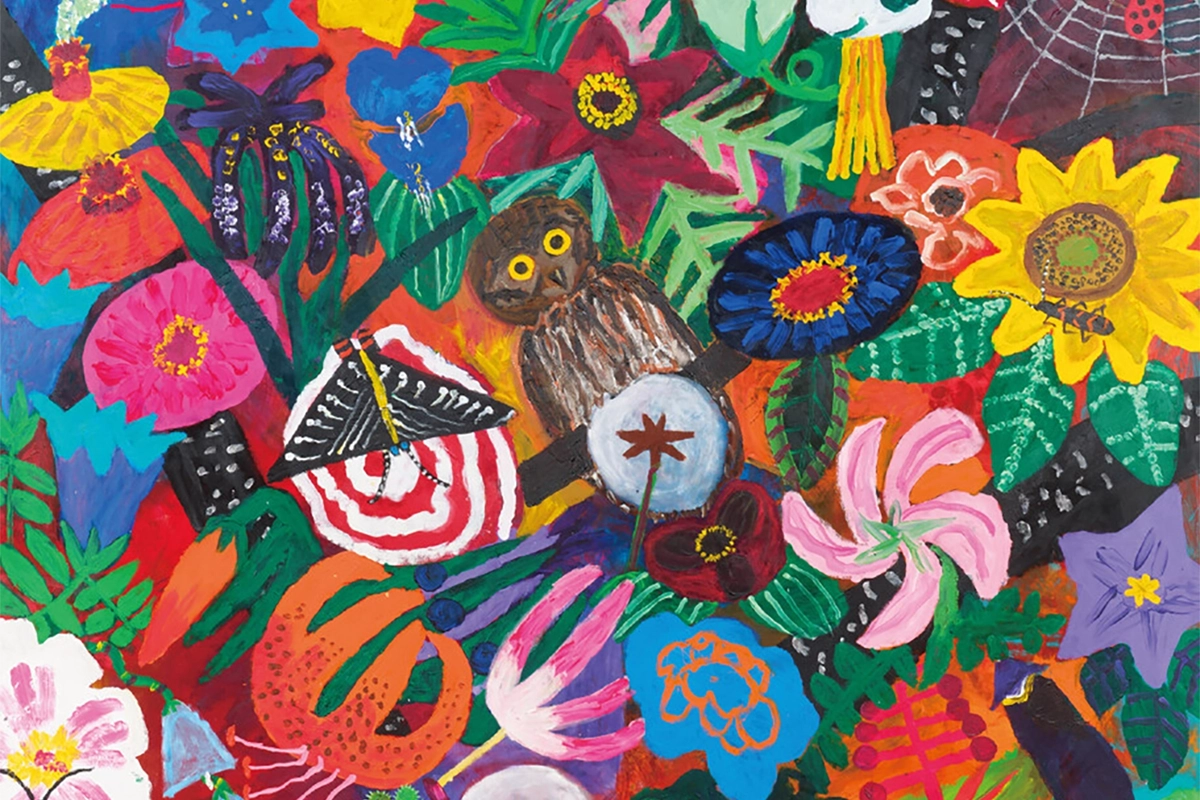
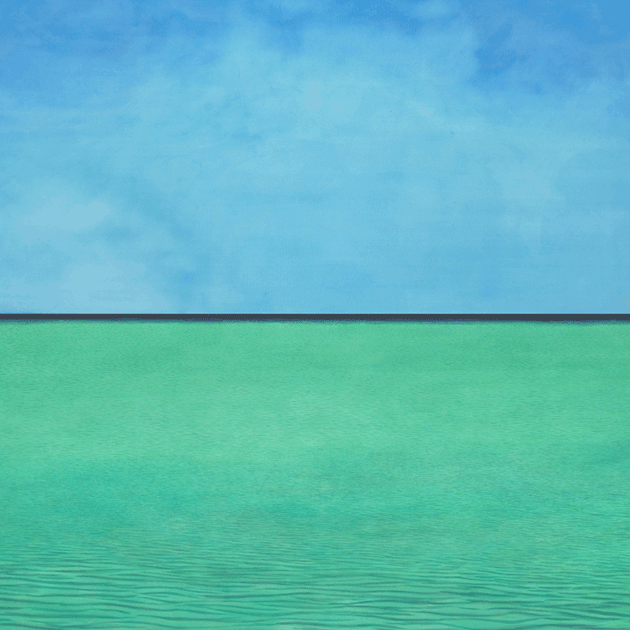
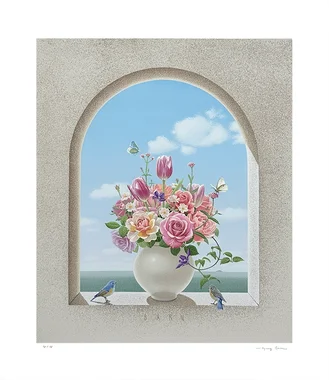
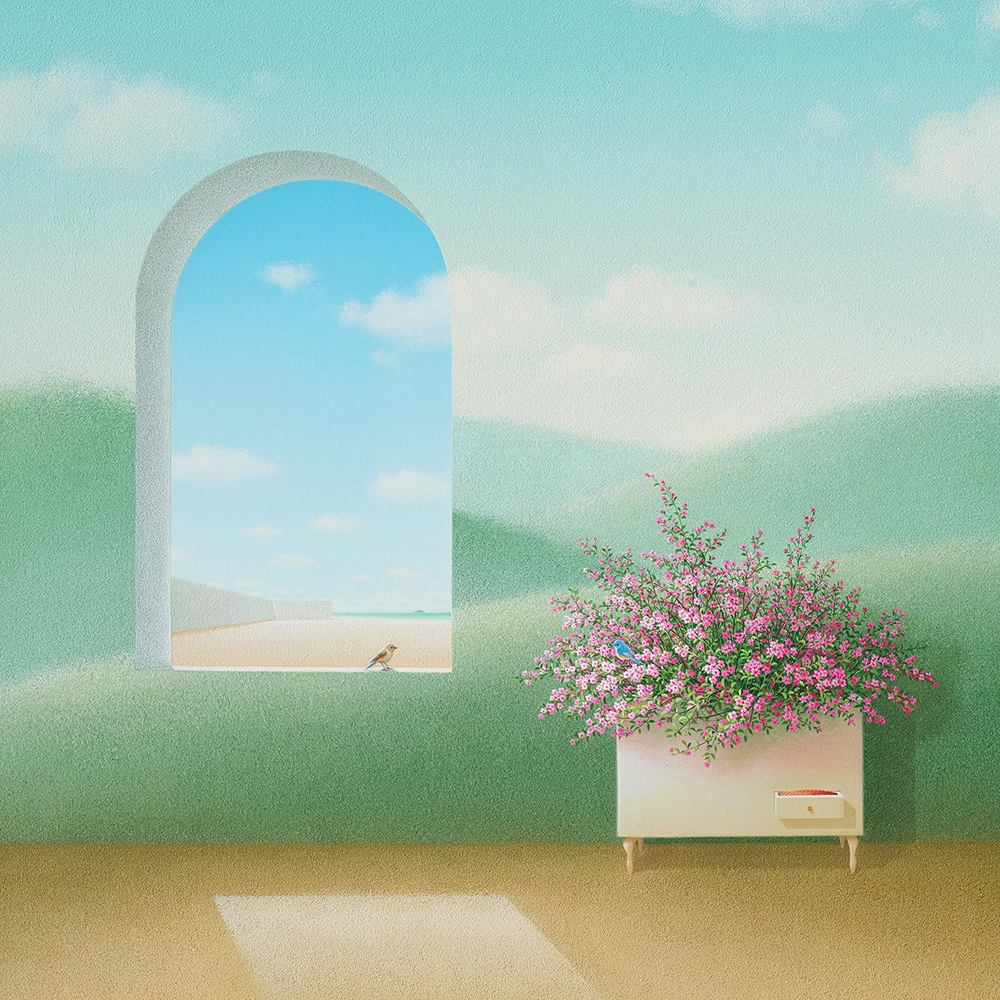
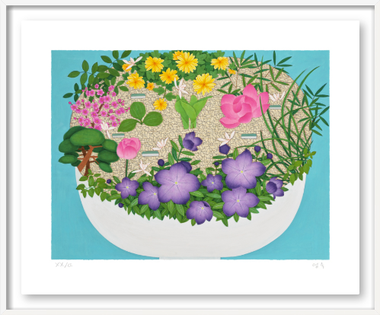
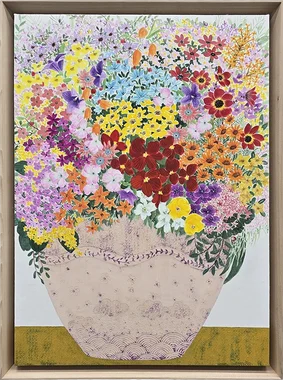
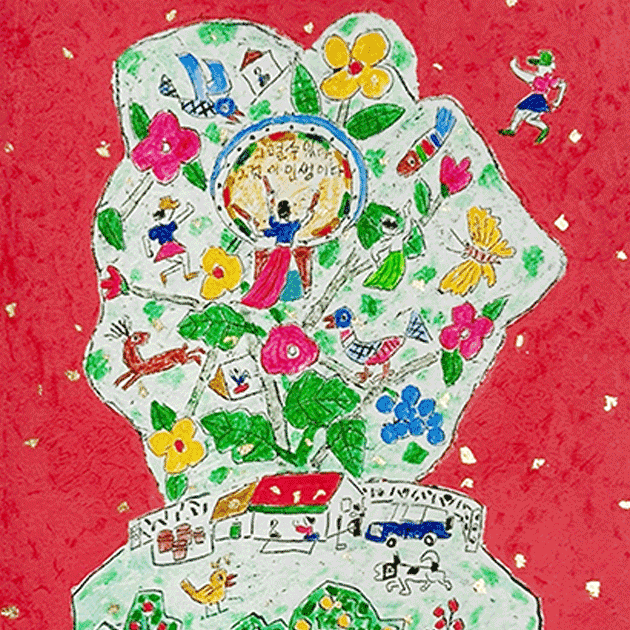
김보희 작가는 동서양 회화의 전통을 깊이 분석하고 체득하는 과정을 통해 자신만의 고유한 기법을 발전시키며, 동양화의 동시대적 확장성을 탐구해왔다. 그는 서양화의 구도와 동양화의 평면적 묘사를 유기적으로 결합하여 캔버스와 한지, 동양화 물감과 아크릴 물감을 혼용한 독창적 화풍을 구축했다. 이를 통해 생동감 있는 풍경 연작과 식물의 세밀한 부분을 강조한 대담한 구도의 정물화를 선보인다. 작가는 이화여대 동양화과와 동대학원을 졸업하고 2017년까지 교수와 박물관 관장을 역임했으며, 현재 제주도에 거주하며 자연의 생명력을 화폭에 담고 있다. 그의 작품은 친밀감이라는 감각을 통해 장소와 느껴지는 영적·물리적 연결성을 탐구하며, 이는 우리의 시각적 인식과 경험에 영향을 미친다. 수묵과 수성 매체를 활용한 작업은 진경산수화의 현대적 해석으로, 한국적 자연과 제주의 문화사를 아우르며 관람객에게 사유와 명상의 공간을 제공한다. 김보희의 작품은 국립현대미술관, 서울시립미술관, 이화여자대학교 박물관 등 다수 기관에 소장되어 있으며, 금호미술관, 경기도미술관, 뮤지엄 산 등 국내외 전시에 참여했다. 2024년 6월에는 글래스고 모던 인스티튜트에서 개인전을 개최하며 영국 무대에 진출했다. Kim Bo Hie has developed her own distinctive techniques through a deep analysis and embodied understanding of both Eastern and Western painting traditions, continuously exploring the contemporary expansiveness of East Asian painting. By organically combining the compositional principles of Western painting with the planar depiction of traditional ink painting, she has established a unique visual language that blends canvas and hanji (traditional Korean paper), as well as East Asian pigments and acrylic paint. Through this approach, she presents vibrant landscape series alongside boldly composed still lifes that emphasize the intricate details of plants. She graduated from the Department of Oriental Painting at Ewha Womans University and its graduate school, and served as a professor and museum director until 2017. Currently based on Jeju Island, she continues to capture the vitality of nature on canvas. Her works explore the spiritual and physical sense of connection to place through the feeling of intimacy, influencing our visual perception and lived experience. Using ink and water-based media, her practice offers a contemporary interpretation of jingyeong sansuhwa (true-view landscape painting), encompassing both Korean nature and the cultural history of Jeju, and providing viewers with a space for reflection and contemplation. Kim Bo Hie’s works are held in the collections of numerous institutions, including the National Museum of Modern and Contemporary Art, Korea; Seoul Museum of Art; and the Ewha Womans University Museum. She has participated in exhibitions at venues such as Kumho Museum of Art, Gyeonggi Museum of Modern Art, and Museum SAN, among others. In June 2024, she expanded her international presence by holding a solo exhibition at the Glasgow Modern Institute in the United Kingdom.

Yayoi Kusama 작가 이미지

Yayoi Kusama

쿠사마 야요이는 조각가 겸 설치미술가이다. 1952년 첫 개인전을 열며 작가 활동을 시작했으며, 1957년부터 1972년까지 뉴욕에서 작품 활동을 했다. 1977년 일본으로 돌아온 이후, 48세부터 현재까지 정신병원에 입원한 상태로 병원 내에 쿠사마 스튜디오를 만들어 꾸준히 작품 활동을 이어가고 있다. 시드니 비엔날레(2000), 타이페이 비엔날레(1998) 등 다수의 대형 국제 전시에 참여했으며, 수백 회에 이르는 단체전과 개인전을 개최했다. 또한 20여 권의 시집과 소설을 출간하는 등 문학 분야에서도 활동했다. 야요이는 빨간 꽃무늬 식탁보를 본 뒤, 눈에 남은 잔상이 둥근 물방울무늬로 변형되어 시야를 따라붙었던 어린 시절의 경험을 작품의 출발점으로 삼았다. 물방울무늬는 그의 평생 예술 작업을 관통하는 유일한 소재로 자리 잡았다. 그의 예술은 환각 증세에 대응하기 위한 자신만의 치료법이기도 하다. 동일한 요소나 문양을 끊임없이 반복하고 집적·증식·확산시키는 과정을 통해 내면의 문제를 예술로 전환해 왔으며, 이는 작가를 해방시킨 유일한 수단이자 카타르시스였다. 무거운 주제를 다루면서도 위트와 유머를 잃지 않는 태도, 공간을 삼켜 버리는 강렬한 색채와 대담한 시각적 풍요로움은 대중을 강하게 사로잡는다. 그의 상징인 물방울무늬는 국제적인 현상이 되었으며, 루이비통과 페라가모 등 럭셔리 브랜드와의 협업을 비롯해 전 세계에서 동시다발적인 전시가 이어지고 있다. 2017년 도쿄에 쿠사마 야요이 미술관이 개관되었으며, 작가는 현재도 매일 오전 9시부터 오후 6시까지 병원 내 작업실에서 ‘자기 침묵(Self-Obliteration)’이라 부르는 치료이자 예술 작업을 지속하고 있다. Yayoi Kusama is a sculptor and installation artist who began her career in 1952 with her first solo exhibition. From 1957 to 1972, she worked in New York, and after returning to Japan in 1977, she has lived in a psychiatric hospital from the age of 48 to the present, establishing the Kusama Studio within the hospital. She has participated in major international exhibitions such as the Sydney Biennale (2000) and the Taipei Biennale (1998), and has held hundreds of group and solo exhibitions worldwide. In addition, she has published more than twenty volumes of poetry and novels. Kusama has described a childhood experience—where the afterimage of a red, flower-patterned tablecloth transformed into persistent polka dots—as the origin of her work. Polka dots have since become the sole motif of her lifelong artistic practice. Her art functions as a personal method of coping with hallucinations. Through the endless repetition, accumulation, multiplication, and expansion of identical forms and patterns, she transforms inner psychological struggles into art, achieving liberation and catharsis. Her witty and humorous treatment of heavy themes, bold colors that engulf space, and striking visual abundance captivate global audiences. Her signature polka dots have become a worldwide phenomenon, leading to collaborations with luxury brands such as Louis Vuitton and Ferragamo, and simultaneous exhibitions across the globe. The Yayoi Kusama Museum opened in Tokyo in 2017. The artist continues to work daily from 9 a.m. to 6 p.m. in her hospital studio, pursuing what she calls “self-obliteration” as both a therapeutic practice and an artistic process.

Yoo Young Kuk 작가 이미지

Yoo Young Kuk

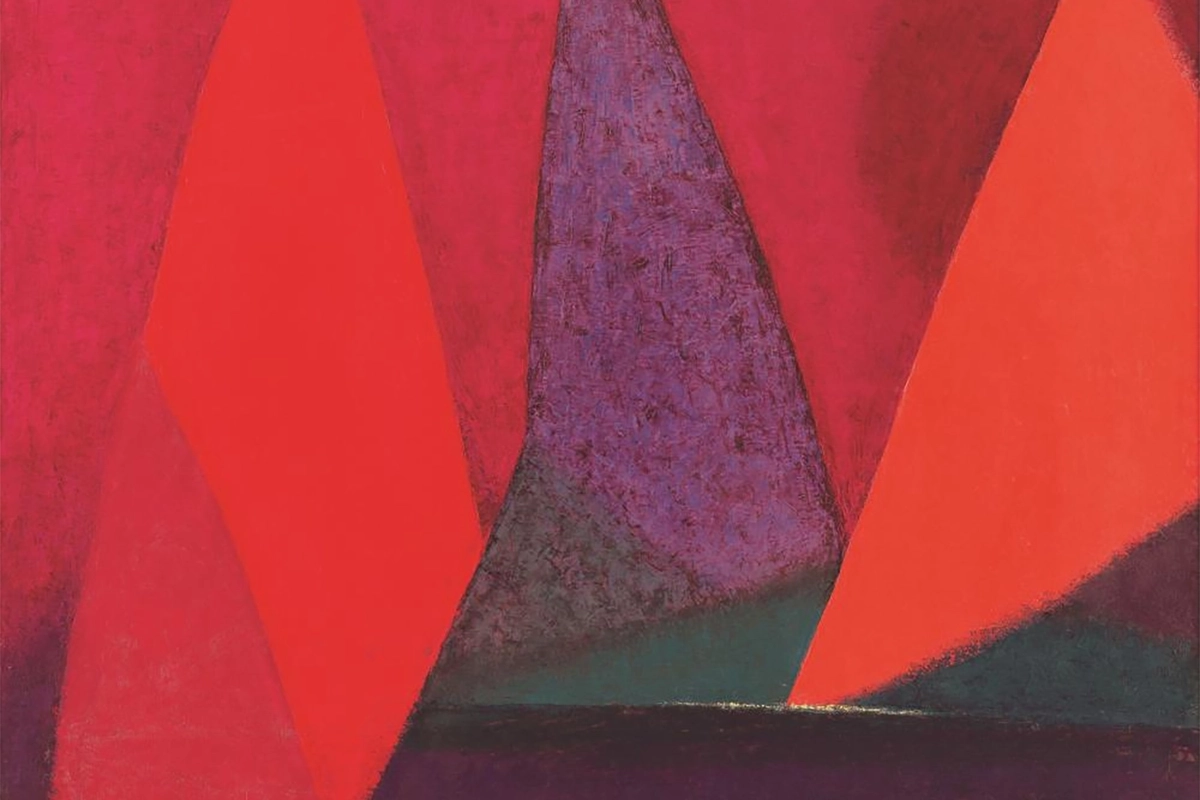
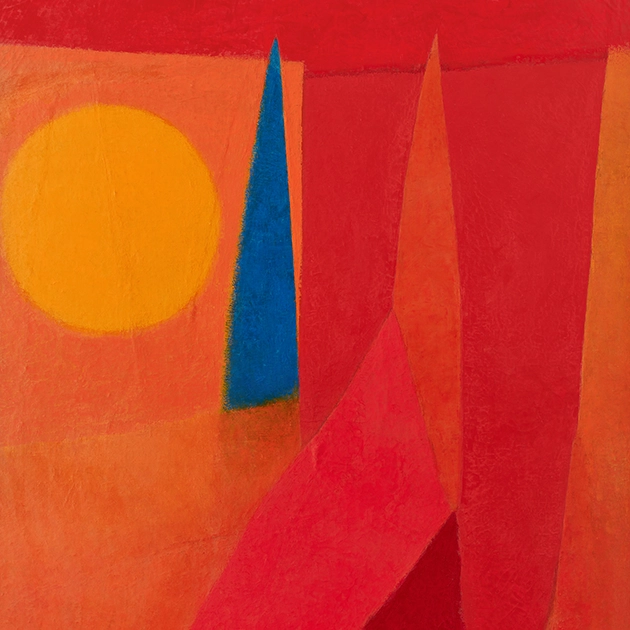
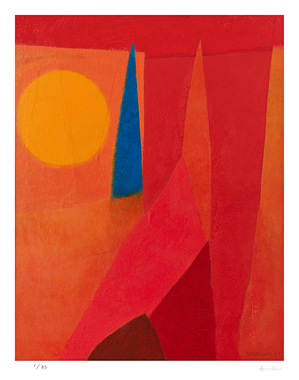
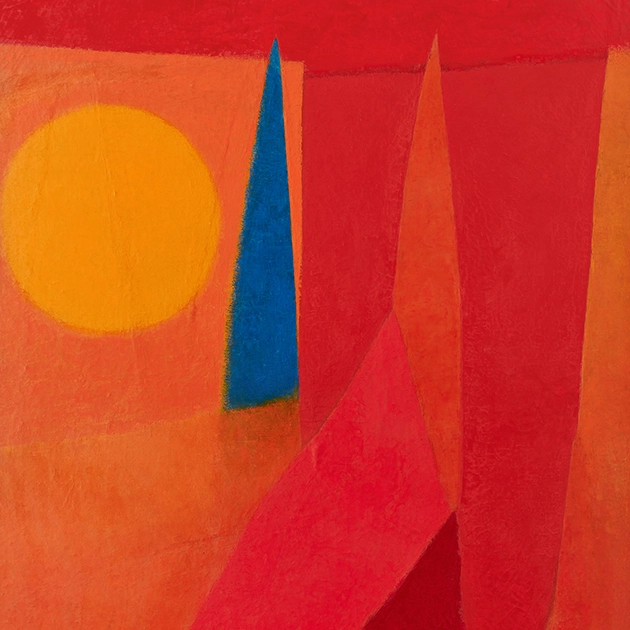
한국 추상미술의 선구자로 평가받는 유영국은 경상북도 울진에서 태어나 일본 도쿄에서 미술을 공부하며 처음 추상 미술을 접했다. 자유미술가협회, 독립미술협회 등 일본 전위예술 단체와 교류하며 초현실주의와 추상미술에 깊이 매료되었고, 오리엔탈 사진학교에서 사진과 조형의 기본 요소를 활용한 ‘자연 추상’ 세계관을 구축했다. 1943년 귀국 후 한국전쟁과 어려운 시기를 거치며 울진에서 가족을 부양하는 삶을 살면서도 작품 활동을 이어갔다. 신사실파, 모던아트협회, 신상회 등 다양한 한국미술 단체를 이끌며 전업작가로서의 기반을 다졌다. 1964년 모든 단체 활동을 중단하고 전업작가로 전념한 그는 대형 추상회화와 드로잉에서 산, 자연을 소재로 한 심층적 표현을 선보였다. 점, 선, 면, 색 등 조형 요소를 철저히 계산해 구도와 색채를 쌓아 올리며, 비정형적 추상에서 기하학적 형태로 전환하고 삼원색과 다양한 색채 변주를 통해 색의 잔상과 깊이를 표현했다. 이러한 작품은 작가의 절제와 집요한 조형 실험, 추상의 근원 탐구를 반영한다. 일본 자유미술가협회전 최고상, 대한민국예술원상, 문화예술상 등을 수상했고, 서울대와 홍익대 교수, 전람회 심사위원, 예술원 회원으로 활동했다. 산, 나무, 호수, 바다 등을 기하학적 구성과 강렬한 색채로 재해석하며 약 400여 점의 유화를 남겼다. 사후에도 활발한 전시회로 그의 작품은 소개되고 있으며, 국립현대미술관, 리움미술관, 서울시립미술관 등에 소장되어 있다. Yoo Young Kuk, widely regarded as a pioneer of Korean abstract art, was born in Uljin, Gyeongsangbuk-do, and first encountered abstraction while studying art in Tokyo, Japan. Engaging with avant-garde groups such as the Free Artists Association and the Independent Artists Association, he became deeply immersed in Surrealism and abstract art. At the Oriental School of Photography, he developed a worldview of “natural abstraction,” grounded in the fundamental elements of photography and form. After returning to Korea in 1943, he continued his artistic practice through the hardships of the Korean War and its aftermath, supporting his family in Uljin while remaining devoted to his work. He later helped lead major Korean art collectives, including the New Realists, the Modern Art Association, and the New Image Group, thereby establishing a firm foundation as a professional artist. In 1964, Yoo Young Kuk withdrew from all group activities to devote himself fully to his individual practice. Through large-scale abstract paintings and drawings, he presented deeply layered expressions inspired by mountains and nature. Carefully calculating formal elements such as dots, lines, planes, and color, he constructed compositions and chromatic structures, transitioning from amorphous abstraction to geometric forms. Through the use of primary colors and diverse chromatic variations, he explored the afterimages and depth of color. These works reflect his discipline, persistent formal experimentation, and rigorous inquiry into the origins of abstraction. Yoo Young Kuk received numerous honors, including the Grand Prize at the Free Artists Association Exhibition in Japan, the National Academy of Arts Award of Korea, and the Culture and Arts Award. He served as a professor at Seoul National University and Hongik University, as an exhibition juror, and as a member of the National Academy of Arts. Reinterpreting mountains, trees, lakes, and seas through geometric compositions and powerful colors, he left behind approximately 400 oil paintings. His work continues to be actively exhibited posthumously and is held in the collections of major institutions, including the National Museum of Modern and Contemporary Art, Korea; Leeum Museum of Art; and Seoul Museum of Art.
Kim Tschang Yeul 작가 이미지

Kim Tschang Yeul

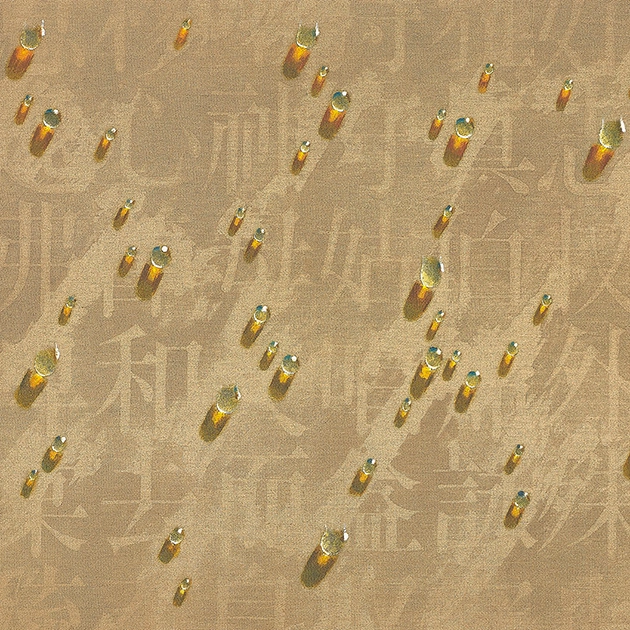
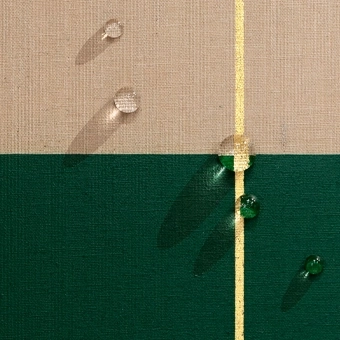
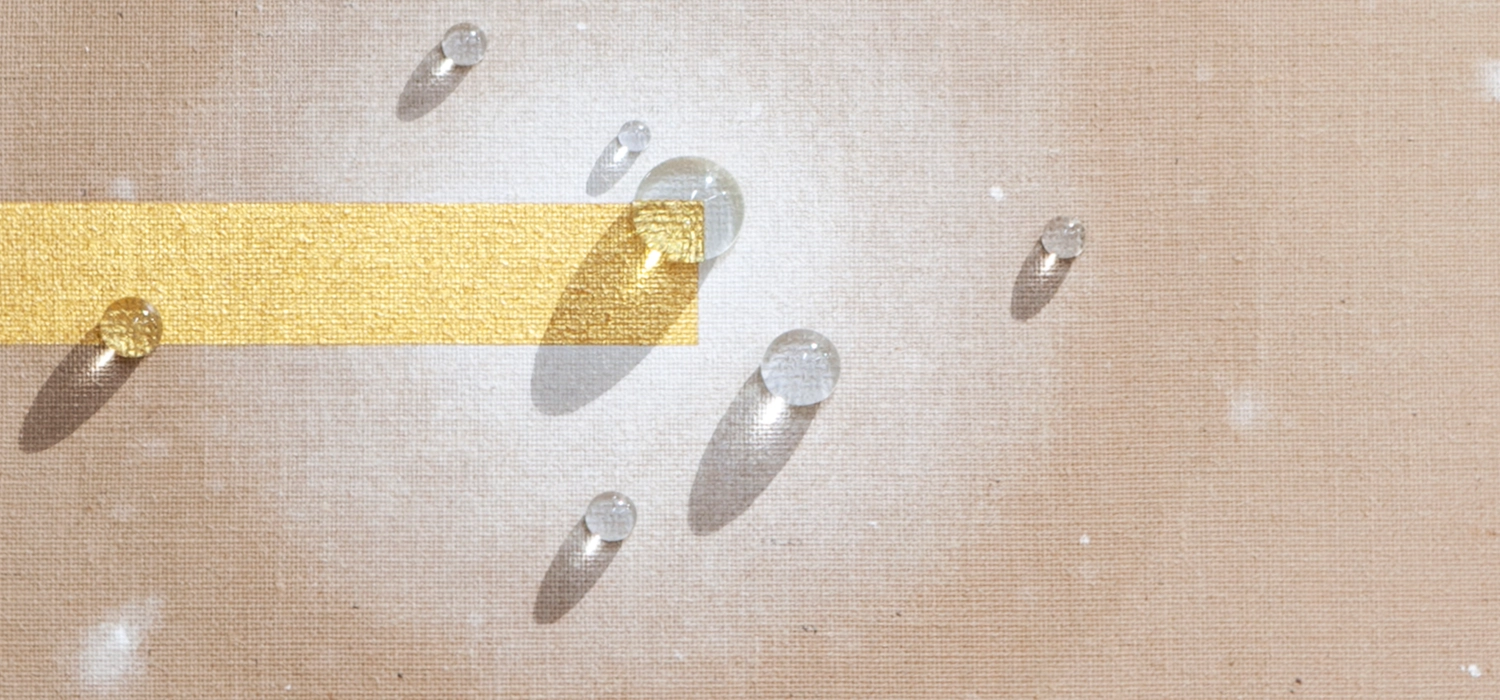
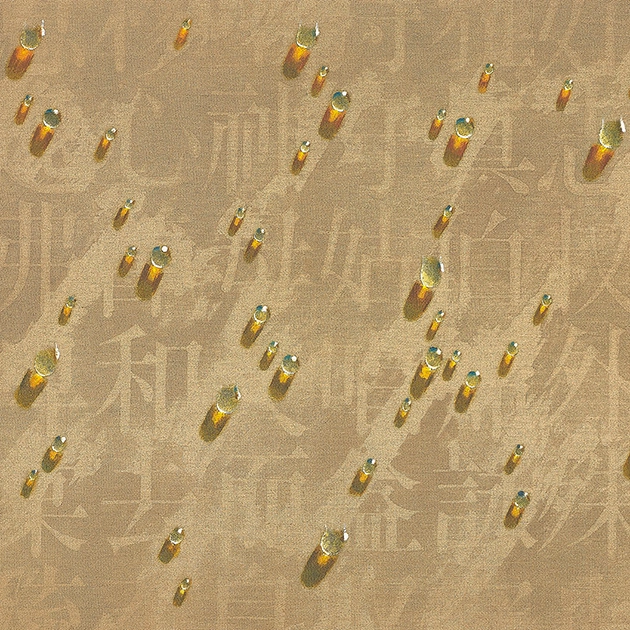
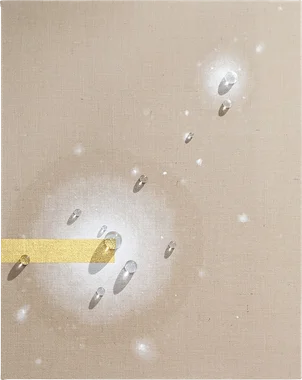
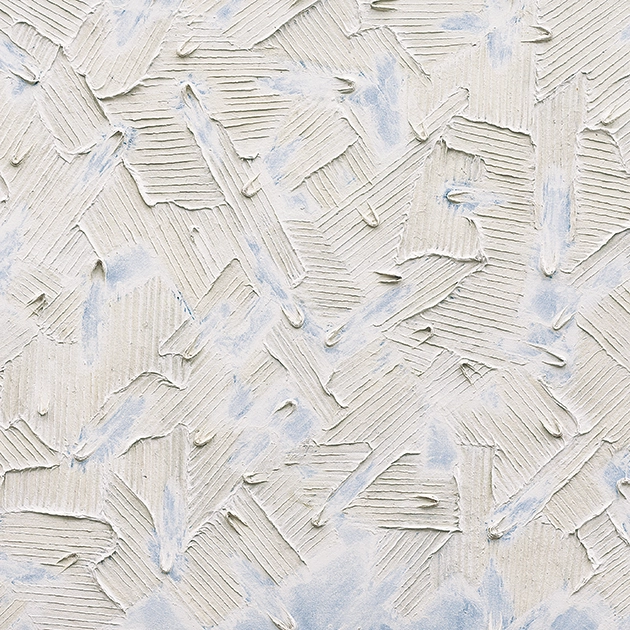
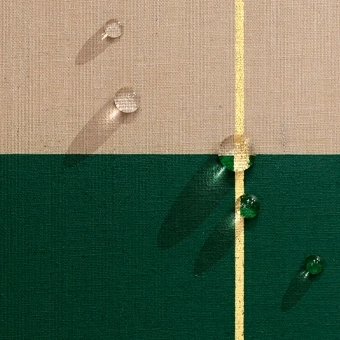
김창열은 1972년부터 물방울을 소재로 다루면서 '물방울 작가'로 불리기 시작했다. 대중적인 인기와 함께 국내 및 해외 미술계에서도 미학적 논의와 관심을 불러일으켜 한국 현대미술의 큰 획을 그었다고 평가받는다. 1969년까지 추상화를 그리다가 1965년부터 1971년까지 뉴욕 체류 이후 사실주의화가로 변모했다. 그는 당시 추상표현주의에 대한 반동으로 유행하던 팝아트와 미니멀리즘에서 탐색과 실험의 계기를 찾았다. 팝아트에서는 재현이라는 문제에 초점을 맞추는 것에 영감을 받았고 미니멀리즘에서는 형태와 구조에 대한 자극을 얻었다. 1970년부터 ‘현상’이라 불리는 그림을 그렸는데, 음울한 회색톤 형상이 색면 내부로부터 흘러나와 물방울 그림에서 보게 될 회색톤 기법의 전조가 되었다. 캔버스에 점액 모양의 거대한 방울이 나타난 것도 그때였다. 1972년 파리의 권위 있는 초대전 살롱 드 메(Salon de mai)에 물방울 작가로 데뷔했다. 극사실주의적 필치로 그려내는 그의 물방울 작품은 초기의 응집력이 강한 영롱한 물방울에서 최근의 표면장력이 느슨해 바탕으로 스며들기 직전의 물방울까지 다양하게 이어졌다. 이러한 독보적인 화풍과 주제 의식은 한국 앵포르멜 운동을 이끌며 한국 현대미술사에 커다란 족적을 남겼다. 그의 작품은 독창적인 표현 방식과 깊이 있는 철학적 메시지로 인해 한국뿐만 아니라 국제적인 명성을 얻었다. 2024년 갤러리현대에서 3주기 회고전이 열리는 등 타계 이후 그의 작품에 대한 관심은 오히려 더 뜨거워지고 있다. Kim Tschang-Yeul began working with the motif of water droplets in 1972, after which he came to be known as the “water drop artist.” Along with broad public appeal, his work generated sustained aesthetic discussion and critical attention both in Korea and internationally, and is widely regarded as having marked a major turning point in Korean contemporary art. After working primarily in abstraction until 1969, he underwent a decisive shift toward realism following his stay in New York from 1965 to 1971. During this period, he found impulses for exploration and experimentation in Pop Art and Minimalism, which were then emerging partly as reactions against Abstract Expressionism. From Pop Art, he drew inspiration from its focus on the problem of representation, while Minimalism stimulated his interest in form and structure. From 1970, he produced a series of paintings known as “Phenomena,” in which somber gray-toned forms seemed to flow out from within fields of color—an early precursor to the gray tonal techniques later seen in his water drop paintings. It was also during this period that large, viscous, droplet-like forms first appeared on his canvases. In 1972, he made his debut as a water drop artist at the prestigious Salon de Mai in Paris. Rendered with hyperrealistic brushwork, his water drop paintings range from early works featuring tightly condensed, crystalline droplets to later works in which surface tension appears loosened, as if the droplets are on the verge of dissolving into the background. This singular style and thematic focus left a profound imprint on the history of Korean contemporary art, positioning Kim Tschang-Yeul as a central figure associated with the Korean Art Informel movement. His works achieved international renown for their distinctive visual language and deep philosophical resonance. Interest in his oeuvre has continued to grow even after his passing, exemplified by the third-anniversary retrospective held at Gallery Hyundai in 2024.
Limited Edition

Original Artworks