
빛을 짓다
Kim Sea Joong
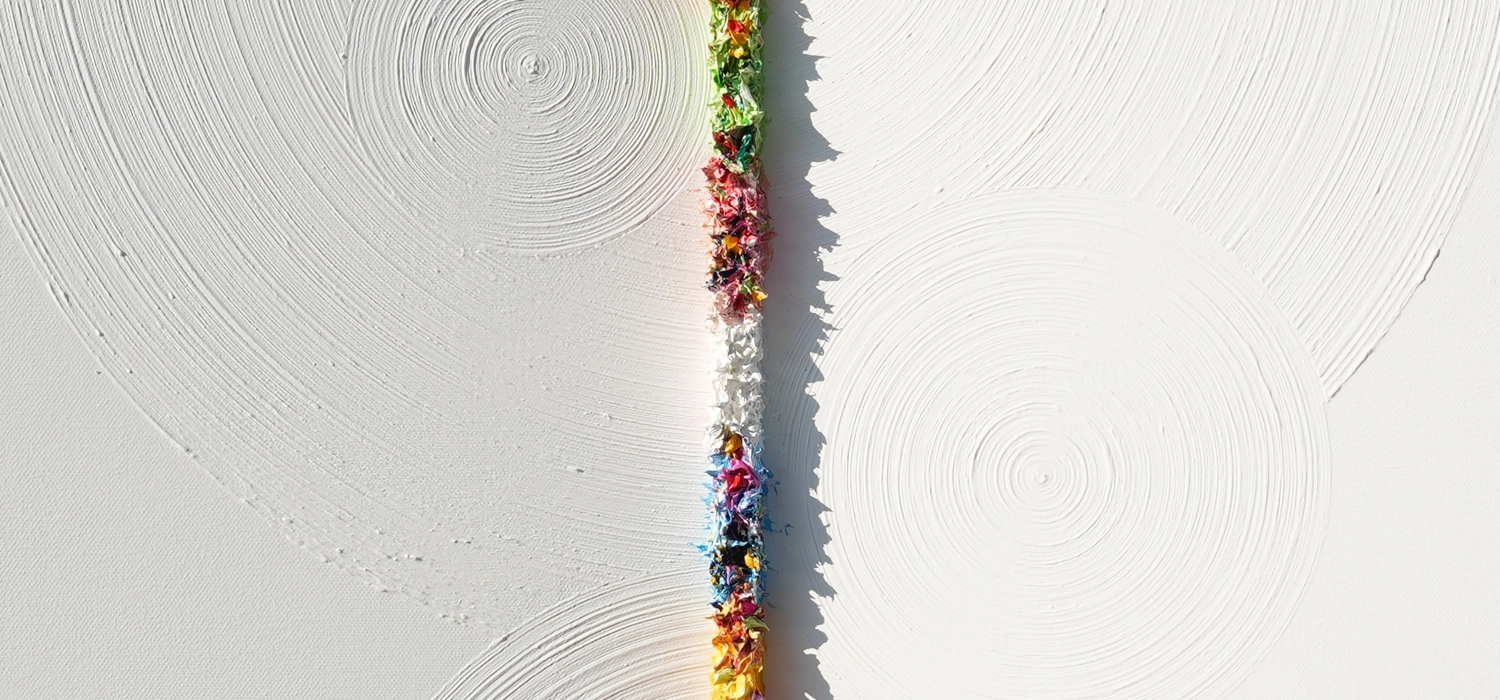
빛은 형태가 없다. 하지만 공간의 표정을 바꾼다. 평평한 면을 스치고 좁은 틈을 통과하며, 굴곡을 따라 크고 작은 그림자를 남긴다. 김세중은 빛의 모습을 그대로 그리지 않는다. 대신 빛이 드러날 자리를 캔버스 안에 만든다. 그림 속 소재로 등장시키는 대신, 색과 구조를 다르게 보이게 만드는 방식으로 다룬다는 뜻이다.
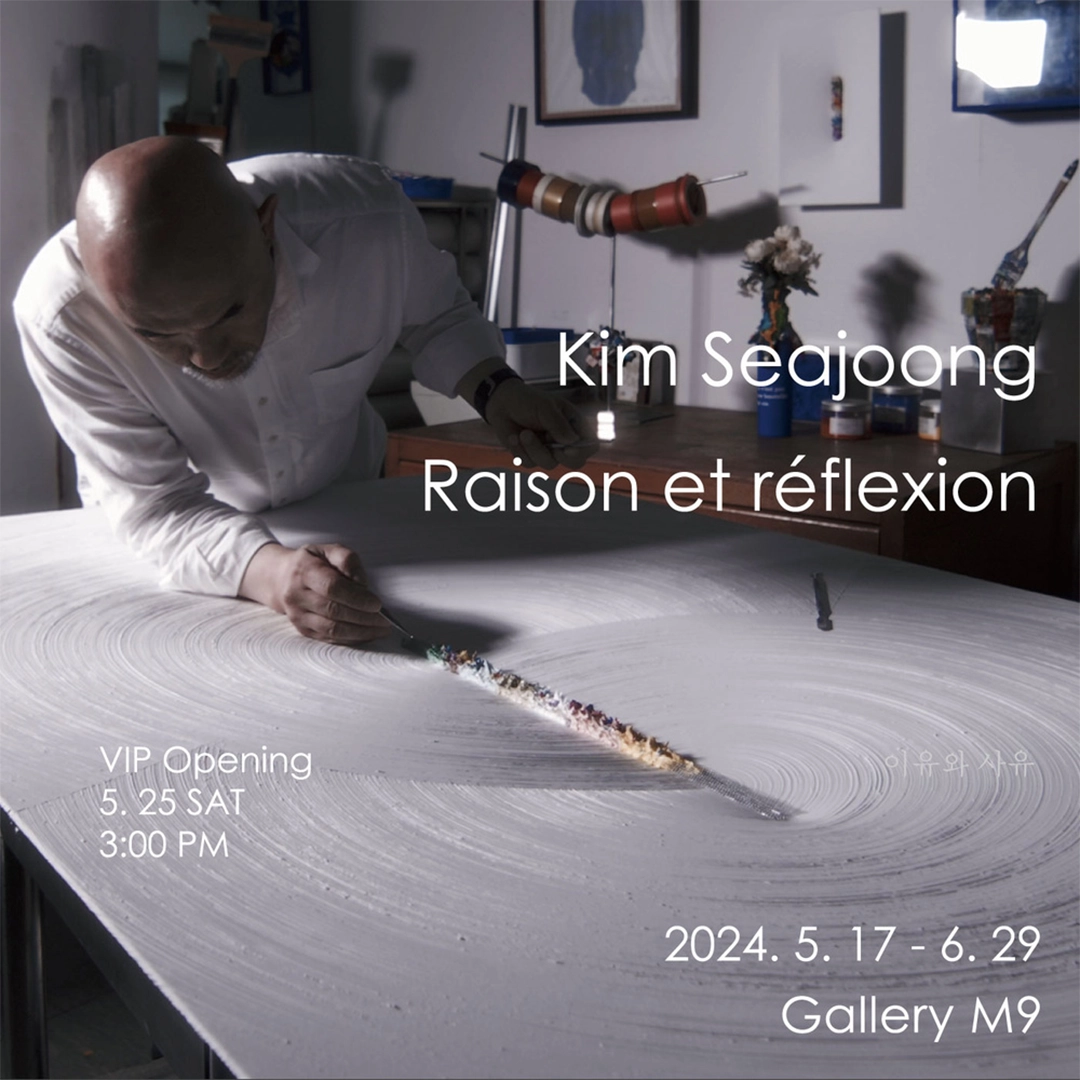
<공간의 재구성>은 평평한 캔버스에서 시작한다. 작가는 틀을 직접 짜고 캔버스를 안으로 밀어 넣거나 앞으로 당겨, 눈에 보이지 않던 깊이를 만들어낸다. 정면에서는 하나의 색면 회화처럼 보이지만, 옆으로 시선을 옮기면 팽팽하게 당겨진 캔버스와 안으로 깊어진 구조가 나타난다. 보는 각도만 바꿔도 완전히 다른 그림이 되는 셈. 탐구의 출발점은 프랑스 남부 앙티브 해안에서 마주한 새벽의 윤슬이었다. 바다 위에서 부서지던 반사광은 하나의 풍경으로 그치지 않고, 이를 자신만의 방식으로 어떻게 옮길 것인가라는 질문으로 이어졌다. 다른 화가들처럼 풍경을 그대로 옮기기보다 서툴더라도 자기만의 표현을 찾고 싶었던 작가는 캔버스의 구조부터 바꾸기 시작했다. 빛의 모양을 그리는 대신, 빛이 들어와 공간을 바꿀 수 있는 조건을 만든 것.
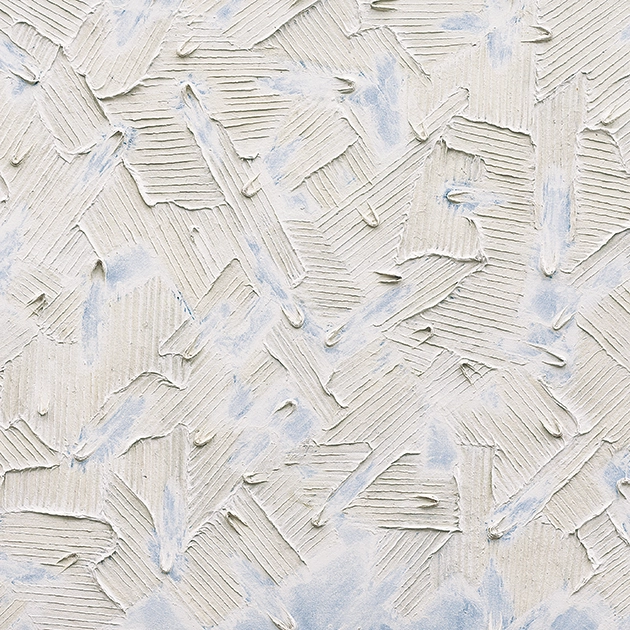
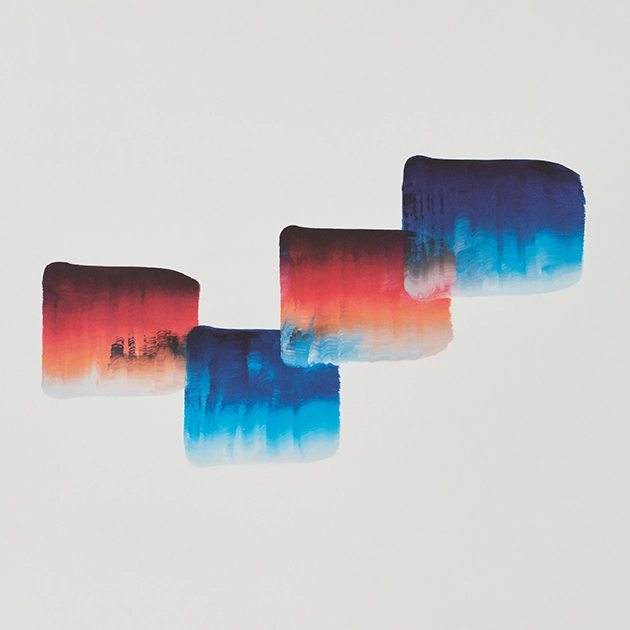
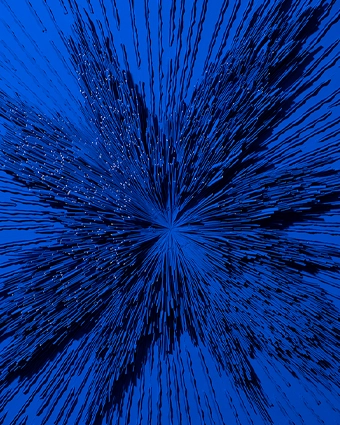
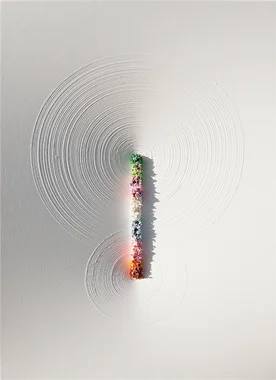
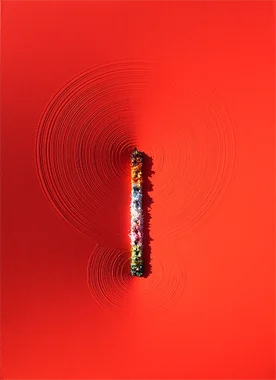
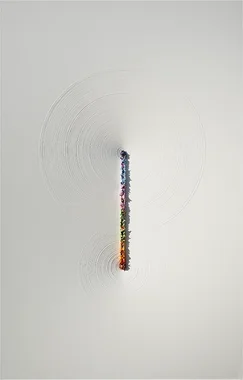
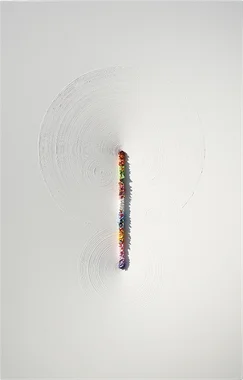
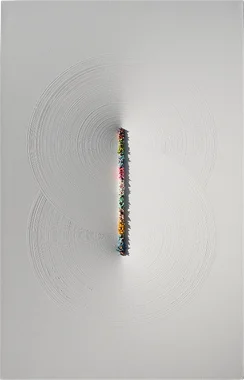
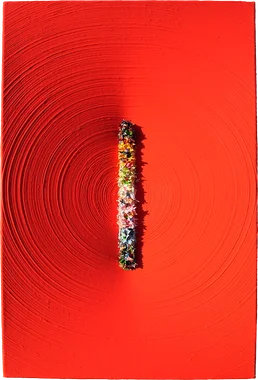
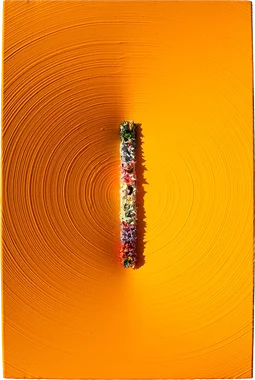
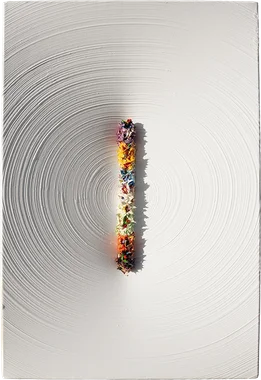
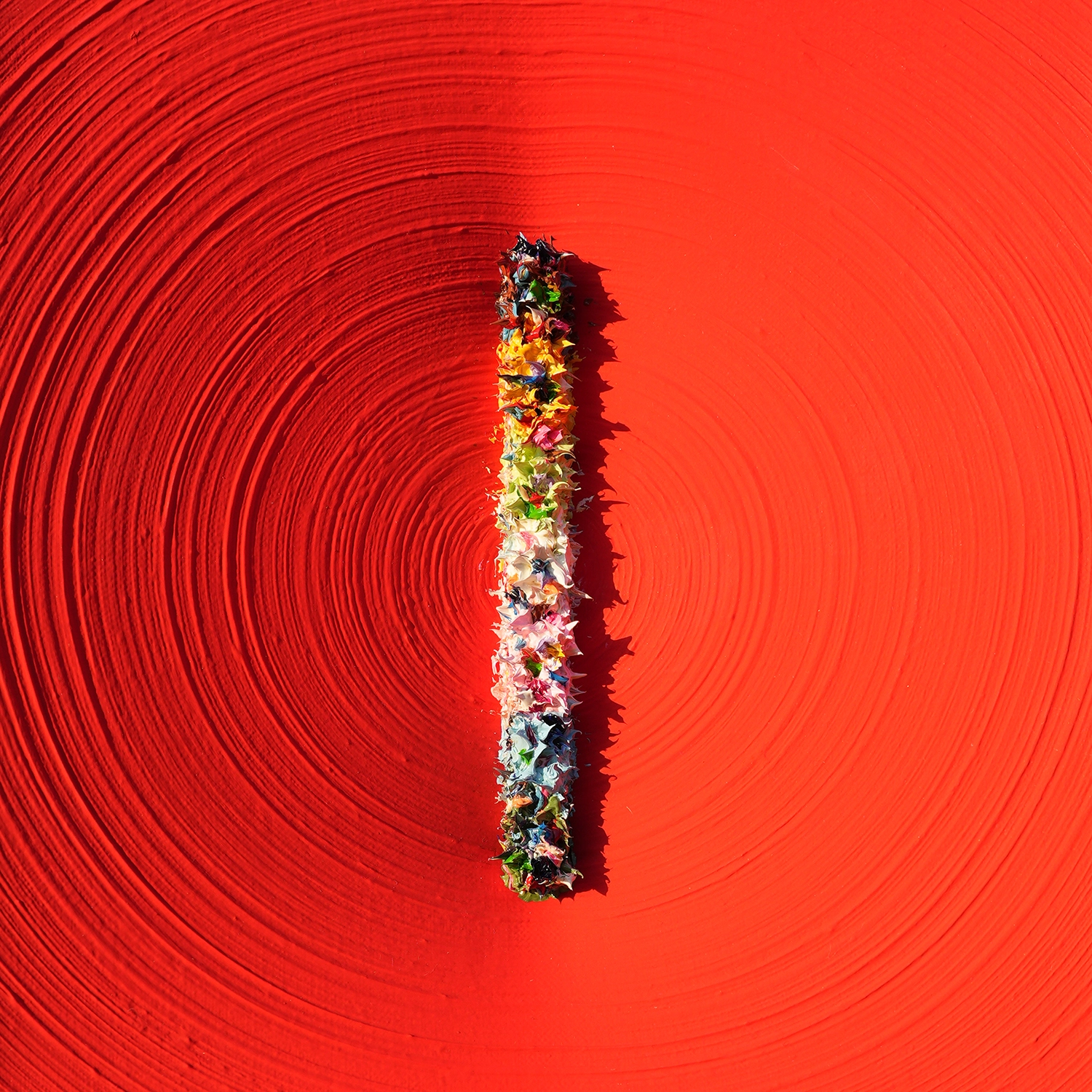
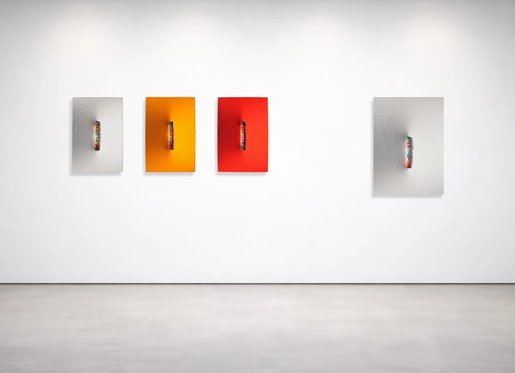
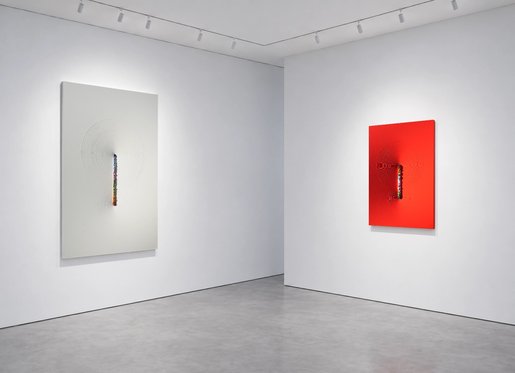
이번 전시에 소개하는 <공간의 재구성>에서는 화면 중앙에 세로로 쌓아 올린 물감 층이 하나의 축을 이룬다. 여러 색이 겹쳐진 그 층에는 작가가 쏟은 손과 시간이 그대로 남고, 주위로 당겨진 캔버스는 축을 중심으로 안쪽을 향해 깊어진다. 단단하게 솟은 물감과 팽팽한 표면, 그 사이 가느다란 그림자가 겹치면서 평면 하나에 또 다른 깊이가 생긴다. 레드와 오렌지, 화이트는 이걸 각기 다르게 보여준다. 강렬한 레드와 오렌지는 화면을 앞으로 밀어내는 듯한 힘을 만들며 중앙의 입체적인 축을 또렷하게 드러낸다. 반면 화이트에서는 색보다 빛과 그림자의 미세한 변화가 먼저 눈에 든다. 같은 구조라도 색에 따라 거리감과 긴장, 움직임의 인상은 달라지는 셈.
작품은 보는 사람의 위치와 빛의 방향에 따라서도 계속 바뀐다. 가까이 다가서면 물감의 두께와 그 사이 그림자가 새롭게 보인다. 자연광이 드는 낮과 조명이 켜진 저녁의 인상도 다르다. 같은 그림인데도 보는 시간과 자리에 따라 매번 다르게 보인다. 《빛을 짓다》는 빛을 그리는 그림이 아니라, 빛이 움직일 자리를 만든 그림이다. 캔버스는 깊어지고, 물감은 두꺼워지고, 색은 그림자와 부딪힌다. 그 속에서 눈에 보이지 않던 빛이 비로소 만져질 듯한 형태를 얻는다. 평평한 화면이 하나의 공간이 되고, 그림은 걸린 자리와 새롭게 마주한다.
Light has no form, yet it transforms the character of a space. It brushes across flat surfaces, passes through narrow gaps, and leaves shadows large and small along every curve and contour. Kim Sea Joong does not depict light itself. Instead, he creates a place within the canvas where light can reveal itself. Rather than treating light as a subject within the painting, he uses it as a force that alters the way color and structure are perceived.
〈Reconstruction of Space〉 begins with a flat canvas. The artist constructs the frame himself, pushing the canvas inward or pulling it forward to create a depth that was previously unseen. Viewed from the front, the work may appear to be a single field of color, but as the viewer shifts to the side, the tautly stretched canvas and recessed structure come into view. A simple change in viewing angle can make it seem like an entirely different painting. This exploration began with the shimmering light he encountered at dawn along the coast of Antibes in southern France. The reflections breaking across the surface of the sea became more than a landscape; they led him to ask how he might translate that experience into his own visual language. Rather than depicting the scenery as other painters might, he wanted to find an expression distinctly his own, even if imperfect. He began by altering the very structure of the canvas—not painting the shape of light, but creating the conditions in which light could enter and transform the space.
In the 〈Reconstruction of Space〉 works presented in this exhibition, vertically layered bands of paint form an axis at the center of the composition. Within these accumulated layers of color remain the traces of the artist’s hand and the time invested in their making, while the canvas stretched around them recedes inward toward the central axis. The solid, raised paint, the taut surface, and the slender shadows between them overlap to create another dimension of depth within a single plane. Red, orange, and white reveal this structure in distinctly different ways. Intense reds and oranges generate a force that seems to push the surface forward, bringing the sculptural central axis into sharp relief. In the white works, by contrast, subtle shifts of light and shadow emerge before color itself. Even within the same structure, color changes our perception of distance, tension, and movement.
The work continues to change according to the viewer’s position and the direction of the light. Up close, the thickness of the paint and the shadows formed between its layers become newly visible. The work also takes on a different character in daylight than it does under artificial light in the evening. Though it is the same painting, it appears different each time depending on when and where it is viewed. 《Building Light》 is not about painting light, but about creating a place for light to move. The canvas deepens, the paint grows thicker, and color encounters shadow. Within this space, invisible light finally takes on a form that feels almost tangible. The flat surface becomes a space of its own, and the painting enters into a new relationship with the place in which it is displayed.
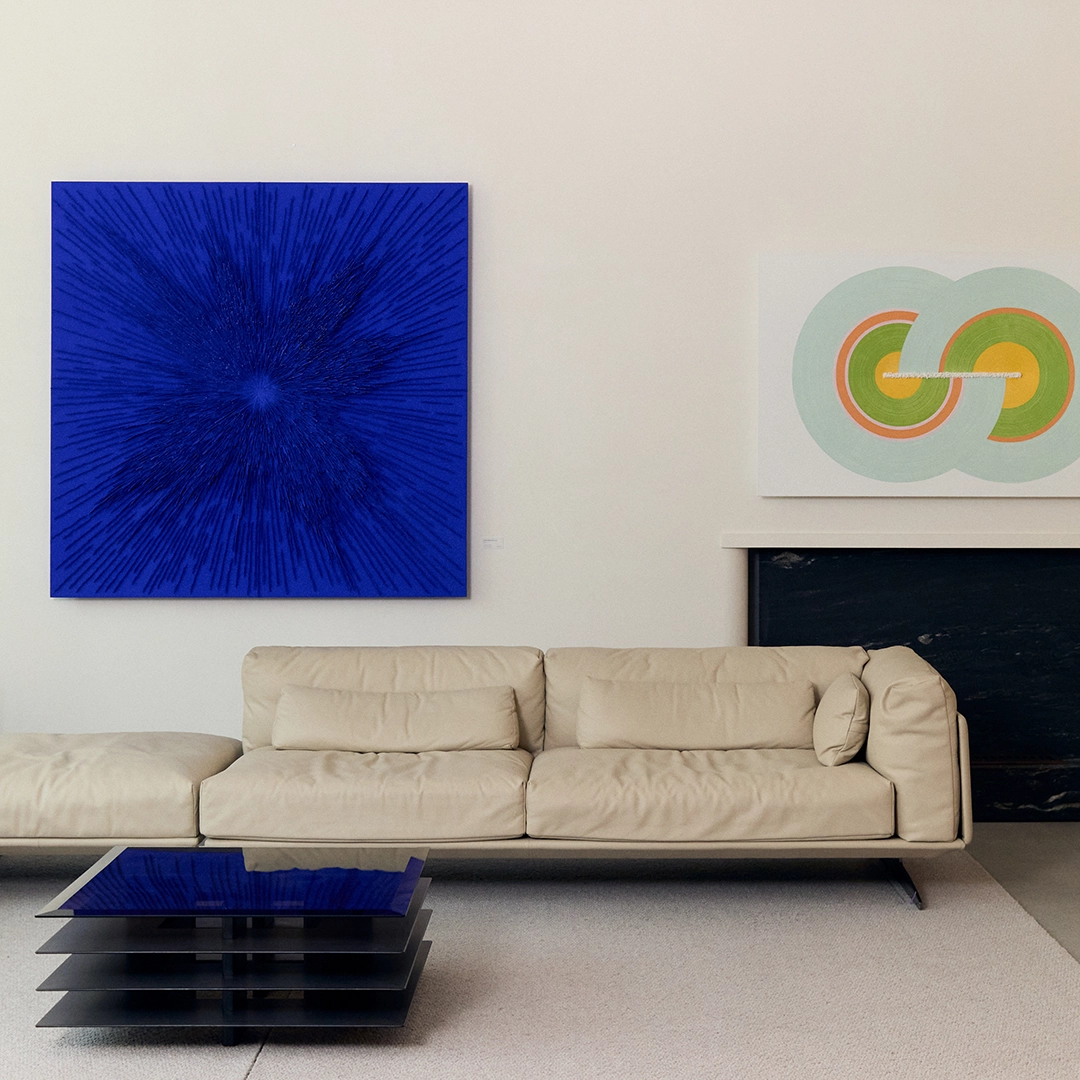
Curation Note김세중의 <공간의 재구성>은 멀리서 보면 강렬한 색면이지만, 가까이 가면 물감이 겹겹이 쌓인 두께와 팽팽하게 당겨진 캔버스가 만져질 듯 드러난다. 회화이면서 동시에 조각에 가까운 입체감을 지닌 작품이다. 레드와 오렌지 작품은 거실, 오피스, 로비처럼 시선이 모이는 자리에 걸면 존재감이 확실하다. 중앙의 수직 축이 공간에 무게 중심을 만들어준다. 화이트 작품은 색보다 굴곡과 그림자로 승부하는 쪽이라, 자연광이 드는 서재나 차분한 톤의 공간에 더 잘 맞는다. 걸 때는 정면 한 방향만 고려하지 말고, 옆에서도 볼 수 있게 여유를 두는 게 좋다. 창에서 들어오는 자연광이나 측면 조명이 캔버스의 깊이와 물감의 질감을 훨씬 선명하게 보여준다. 시간과 각도에 따라 매번 다른 그림을 보는 재미, 오래 두고 볼 때 얻는 몫이다.
From a distance, Kim Sea Joong’s
아트앤에디션은 매달 한 작가의 작업을 조명하는 익스클루시브 온라인 전시를 선보입니다. Each month, ARTN Edition presents an exclusive online exhibition dedicated to the work of a selected artist.
Showcase Details
- 빛을 짓다
- Artist
- Contact

![[인터뷰] 빛과 공간을 잇는 회화, 김세중](https://media.artnedition.com/media/review/news/list_thumb/main_essay_img560.webp)
![[전시 노트] 빛과 기억의 흐름](https://media.artnedition.com/media/review/news/list_thumb/main_essay_img276.webp)
Installation Views
-
빛을 짓다
-
빛을 짓다
