




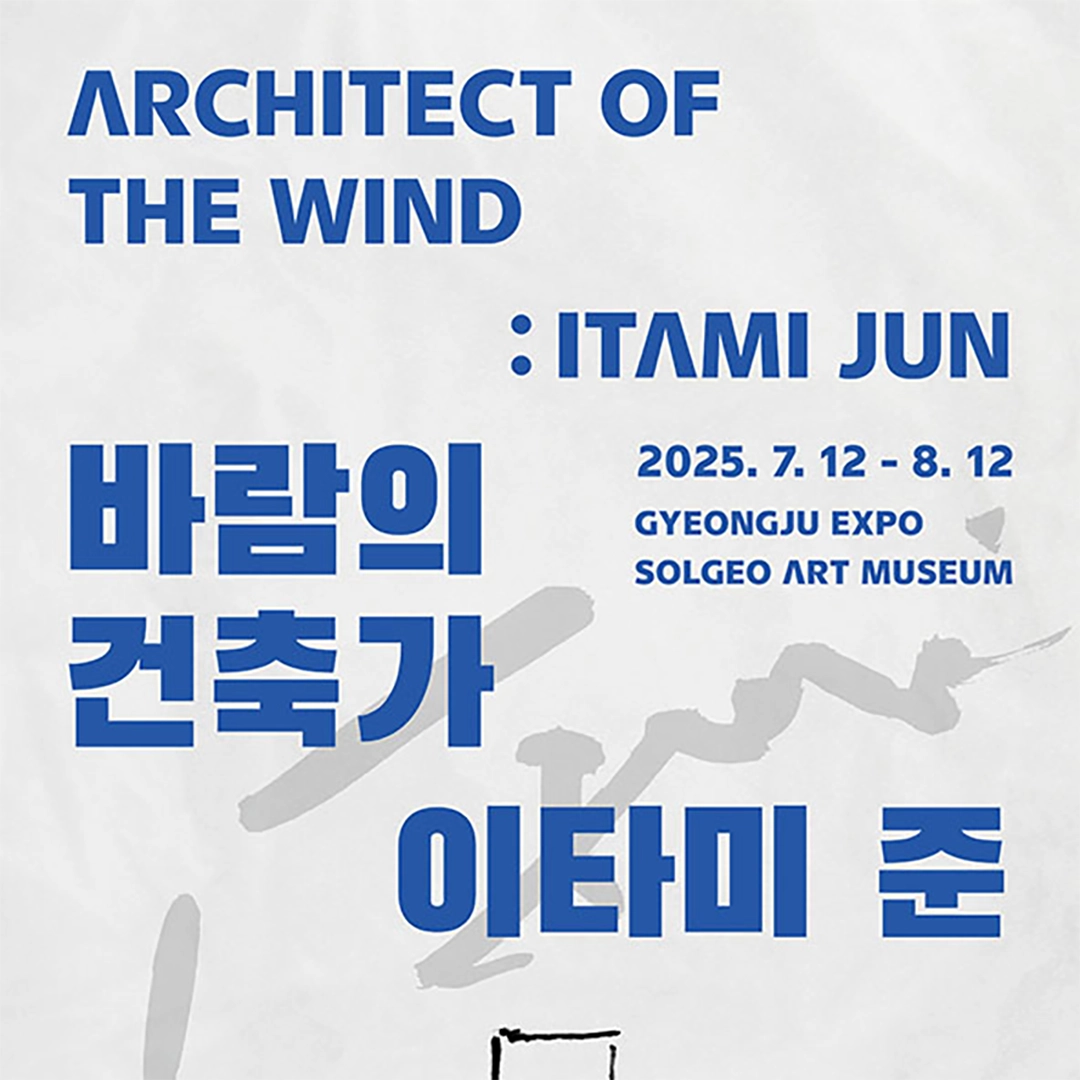
이타미준 ITAMI JUN

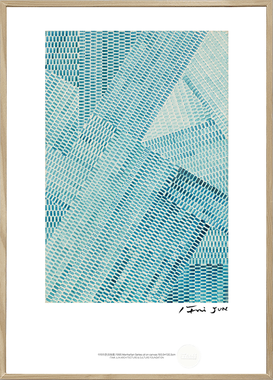
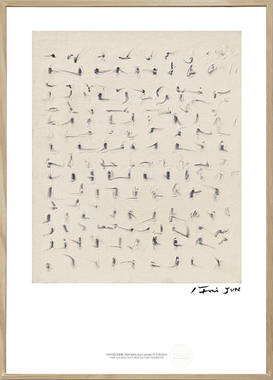
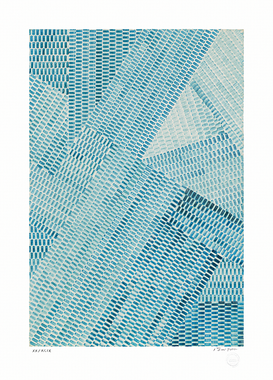
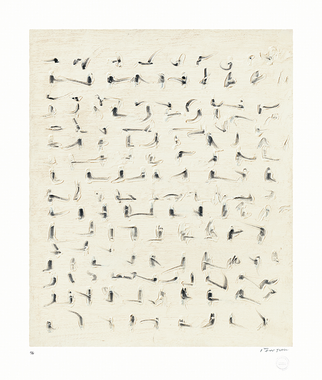
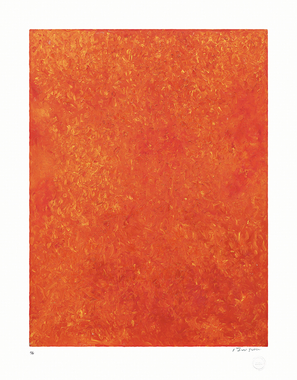
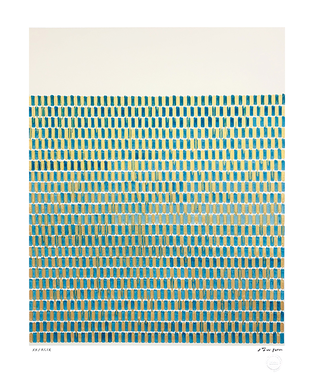
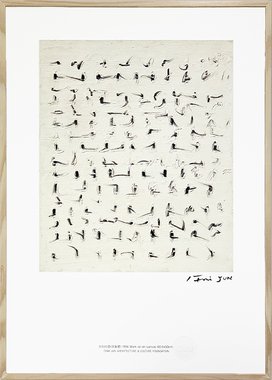
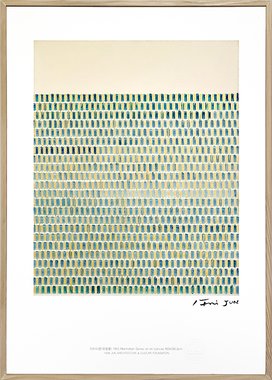
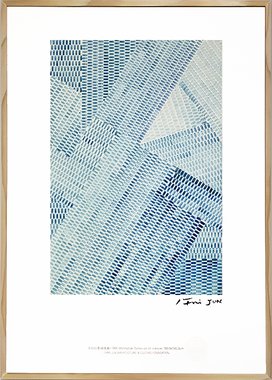
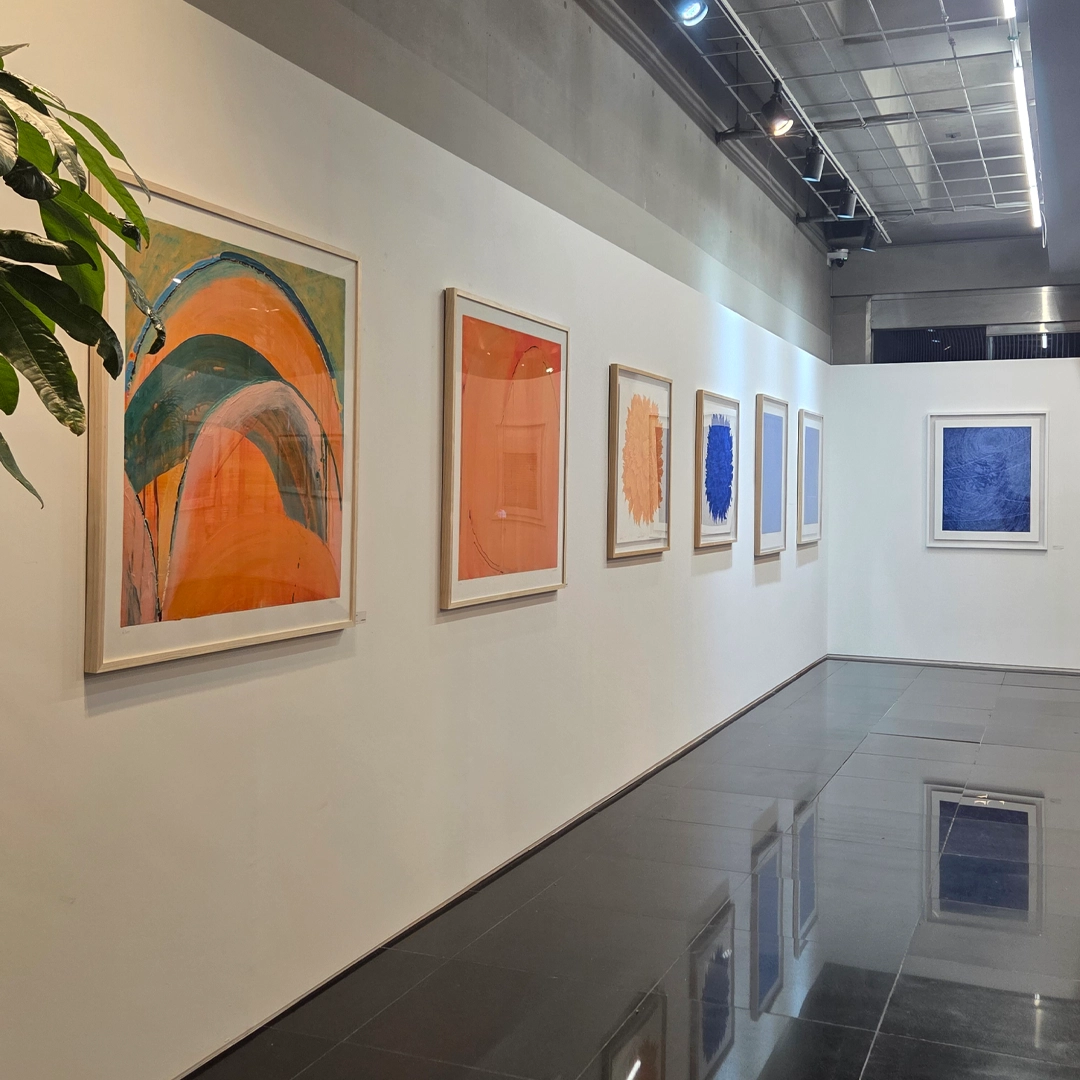
이타미 준은 1935년 도쿄에서 태어나 자랐지만, 국적은 대한민국을 고집하며 늘 어머니의 땅을 그리워하던 건축가이자 화가이다. 1964년에 무사시 공업대학 건축학과를 졸업하였으며, 2003년 프랑스 <국립 기메 박물관>에서 아시아인 최초로 개인전이 개최되었을 당시 그들은 전시 초청문에 이타미 준에 대한 평가를 다음과 같이 남겼다고 한다.
“이타미 준은 예술가로서, 동시에 건축가로서 전통의 굴레에서 자유로워질 수 있었고, 시공을 초월한 독창성과 현대성을 지닌 예술 작품을 창조해 왔다.” 또한 프랑스 정부가 예술 문화훈장 ‘슈발리에’를 수여하면서 자크 시라크 대통령은 다음과 같이 수훈 이유를 밝혔다고 한다. “이타미 준은 현대미술과 건축을 아우른, 국적을 떠나 세계적 예술성을 지니고 있다. 그의 작품은 프랑스 국민들에게 아시아 문화의 깊이를 체험할 소중한 기회를 제공하여 그 공로를 인정한다.” 이렇듯 이타미 준은 동양만이 표현할 수 있는 미학, 특정한 지역에 뿌리를 내리고 있지만 모든 사람이 공유할 수 있고 시대를 초월한 이타미 준식의 미학을 구축해 나가기 위해 투쟁해 온 건축가였다.
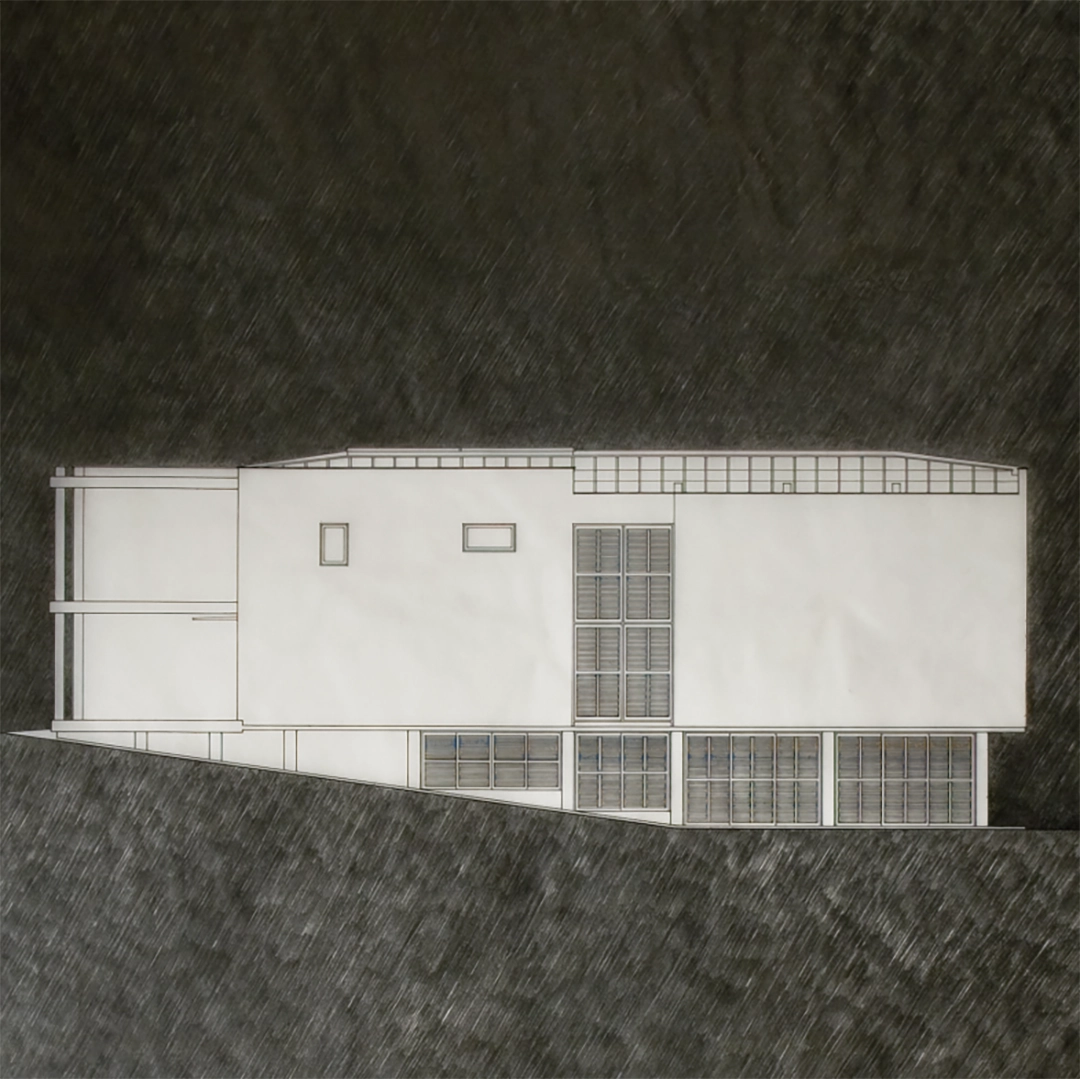
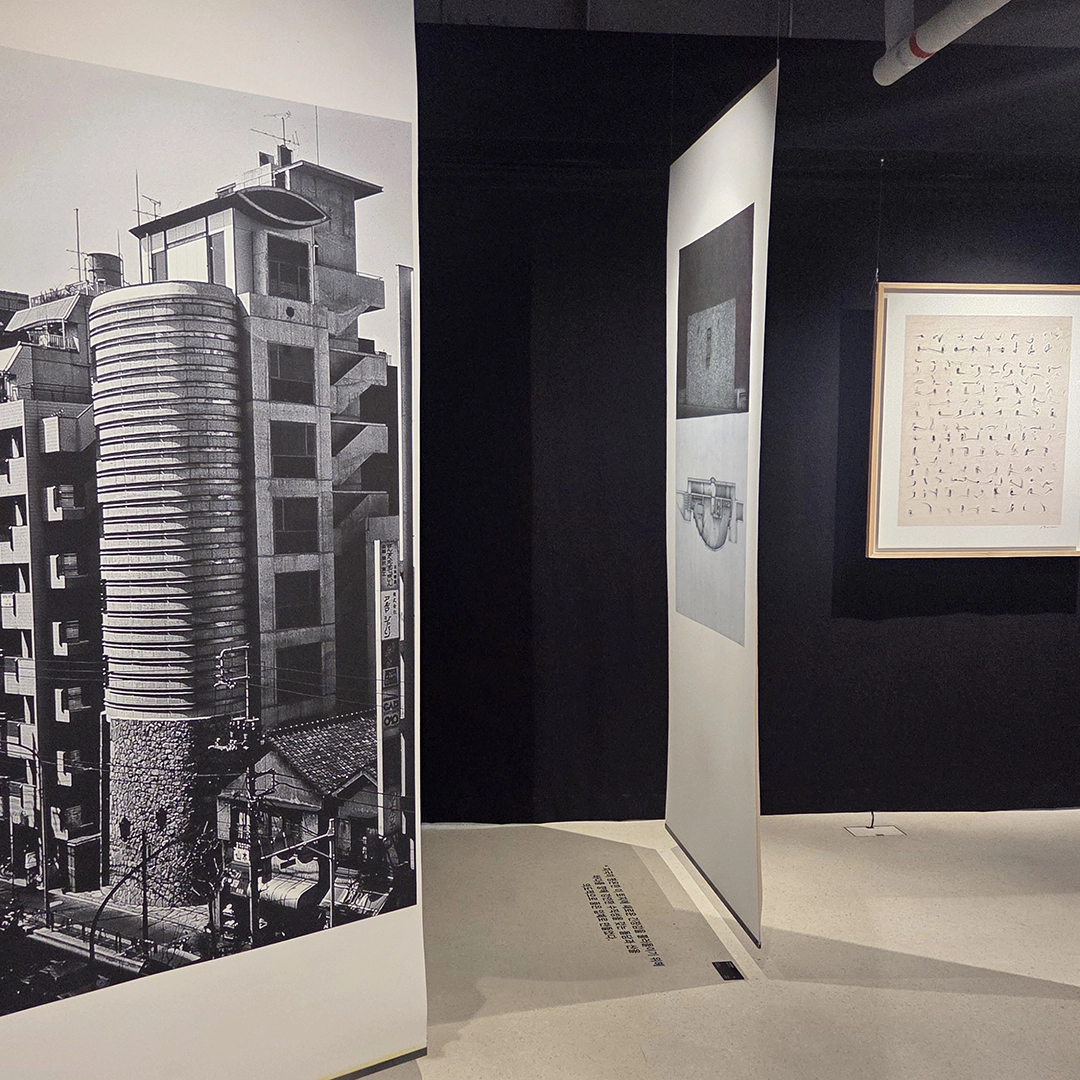
이타미 준은 생전에 “내가 전하고자 하는 것은 건축을 매개로 자연과 인간 사이에 드러나는 세계. 즉, 새로운 세계를 보는 것이고 보이지 않는 세계를 보는 것이다.”라고 말했던 것과 같이 그는 달항아리와 같은 건축, 도시와 자연이 공존하는 건축, 손과 몸의 온기가 묻어있는 건축, 그 지역의 특성과 재료를 어우러지게 한 건축을 만들고자 늘 되뇌었던 건축가이다. 제주의 <수,풍,석 미술관>, <방주 교회>, <포도 호텔>, 일본 <석채의 교회>, <H Museum>등 수많은 건축물과 건축에 대한 남다른 철학을 남겼으며 2011년 삶을 마감하고 그토록 사랑하던 고국에 묻혔다.
Itami Jun was an architect and painter who was born and raised in Tokyo in 1935, yet steadfastly maintained South Korean nationality and lived with a deep longing for his mother’s homeland throughout his life. He graduated from the Department of Architecture at Musashi Institute of Technology in 1964. In 2003, when his solo exhibition was held at the Musée National des Arts Asiatiques–Guimet in France—the first such exhibition by an Asian artist—the museum described him in its invitation text as follows:
“As both an artist and an architect, Itami Jun freed himself from the constraints of tradition and created works of art endowed with originality and modernity that transcend time and space.”
When the French government awarded him the Ordre des Arts et des Lettres at the rank of Chevalier, President Jacques Chirac explained the reason for the honor in these words:
“Itami Jun possesses a universal artistic vision that transcends nationality, encompassing both contemporary art and architecture. His work has offered the French people a precious opportunity to experience the depth of Asian culture, and this contribution is hereby recognized.”
In this way, Itami Jun devoted his life to forging an aesthetic uniquely his own—rooted in Eastern sensibilities, grounded in specific places, yet timeless and universally shared. He was an architect who persistently sought to articulate a beauty that only the East could express, while remaining meaningful across cultures and eras.
As he once stated during his lifetime, “What I seek to convey is the world revealed between nature and human beings through architecture—that is, to see a new world, and to see the invisible world.” True to this belief, he continually pursued an architecture akin to the moon jar: architecture in which city and nature coexist, architecture imbued with the warmth of human hands and bodies, and architecture that harmonizes local characteristics with indigenous materials.
He left behind numerous significant works, including the Water, Wind, and Stone Museum, Bangju Church, and Podo Hotel in Jeju; the Church of Stone and Color in Japan; and the H Museum, among many others, along with a distinctive architectural philosophy. Itami Jun passed away in 2011 and was laid to rest in his beloved homeland.




![[전시 노트] 바람의 건축](https://media.artnedition.com/media/review/news/list_thumb/main_essay_img174.webp)
