
에드워드 호퍼 EDWARD HOPPER
에드워드 호퍼는 20세기 미국 리얼리즘을 대표하는 화가이다. 1882년 미국 뉴욕에서 태어나 뉴욕예술학교에서 로버트 헨리에게 그림을 배웠으며, 초기에는 광고미술과 삽화, 에칭 작업을 중심으로 활동했다. 이후 1920년대 중반부터 수채화와 유화 작업을 본격적으로 전개하며, 현대 도시인의 삶과 내면을 담아낸 독자적인 회화 세계를 구축했다.
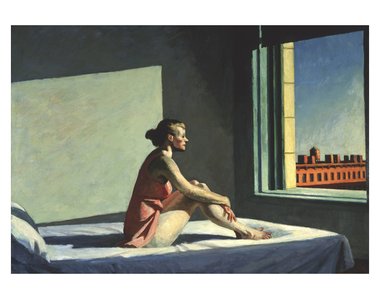
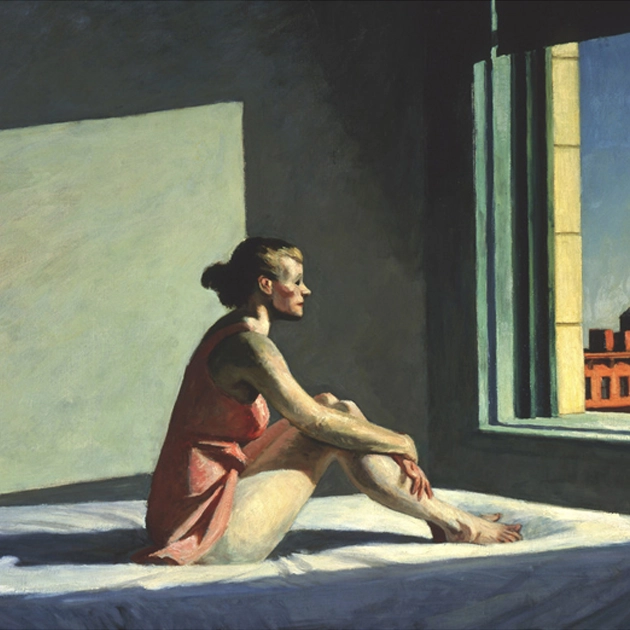
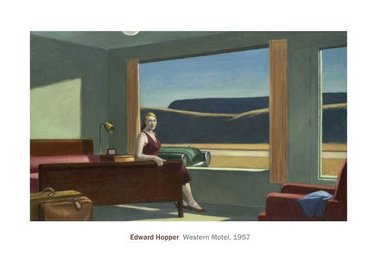
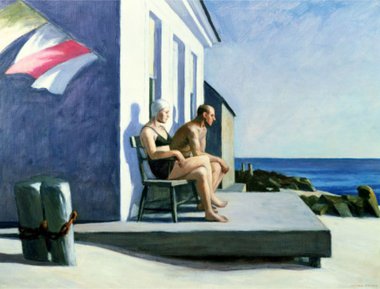
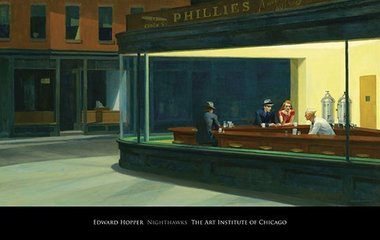
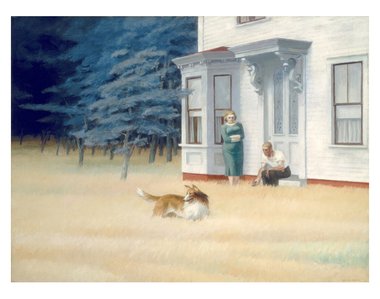
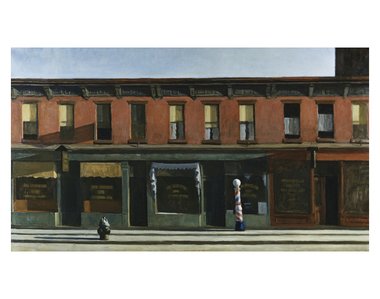
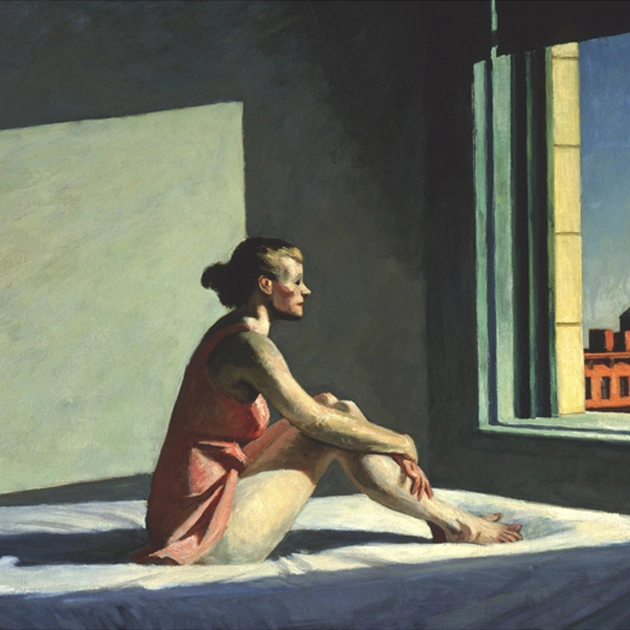
호퍼의 작품은 평범한 일상의 장면을 마치 시간이 멈춘 듯한 풍경으로 포착하는 데 특징이 있다. 텅 빈 거리, 호텔방, 주유소, 식당, 창가의 인물 등 익숙한 공간들은 그의 화면 안에서 고요하면서도 낯선 분위기를 띤다. 특히 자연광과 인공조명의 대비, 넓고 비어 있는 공간 구성은 인물의 고독과 침묵을 더욱 선명하게 드러낸다.
그의 작업은 산업화, 전쟁, 경제대공황을 지나온 미국 사회의 정서를 반영하며, 현대인의 외로움과 불안, 단절감을 시각적으로 표현했다. 호퍼의 작품은 이후 팝아트와 신사실주의 미술에 큰 영향을 미쳤으며, 오늘날까지도 미술을 넘어 영화, 사진, 문학 등 다양한 문화 영역에서 깊은 울림을 이어가고 있다. 그의 작품은 Whitney Museum of American Art, MoMA, The Metropolitan Museum of Art, Art Institute of Chicago, National Gallery of Art, Smithsonian American Art Museum, Walker Art Center, Brooklyn Museum 등에 소장되어 있다.
Edward Hopper was a leading American painter who defined 20th-century Realism. Born in New York in 1882, he studied under Robert Henri at the New York School of Art and initially worked in commercial illustration, advertising art, and etching. From the mid-1920s onward, Hopper devoted himself to watercolor and oil painting, developing a distinctive artistic world that captured the lives and inner emotions of modern urban life.
Hopper’s works are known for transforming ordinary everyday scenes into suspended moments that feel almost timeless. Empty streets, hotel rooms, gas stations, diners, and solitary figures by windows appear both familiar and strangely distant within his compositions. His masterful use of natural and artificial light, along with expansive and sparsely occupied spaces, heightens the sense of silence, solitude, and emotional isolation within his paintings.
Reflecting the emotional atmosphere of American society shaped by industrialization, war, and the Great Depression, Hopper visually expressed the loneliness, anxiety, and disconnection of modern life. His work later had a profound influence on Pop Art and Photorealism, and continues to resonate across film, photography, literature, and wider contemporary culture. His works are held in major collections including the Whitney Museum of American Art, MoMA, The Metropolitan Museum of Art, Art Institute of Chicago, National Gallery of Art, Smithsonian American Art Museum, Walker Art Center, and Brooklyn Museum.