


쩌춘야 ZHOU CHUNYA
쩌춘야는 중국 윈난성 쿤밍시에서 태어나 쓰촨미술학교 유화과와 독일 카셀미술대학 자유예술과를 졸업한 작가이다. 그는 대학 시절부터 제도권에서 인정받았고, 현재까지도 그 영역에서 주목받는 예술가로 활동하고 있다. 지적이고 품위 있는 정신세계를 보여주다가 갑자기 거침없이 농담을 던지는 자유로운 사람이다.
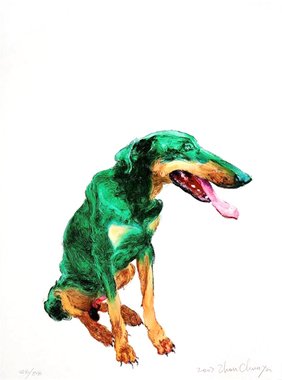
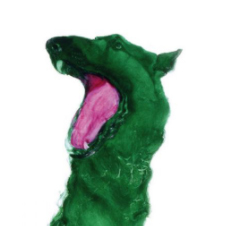
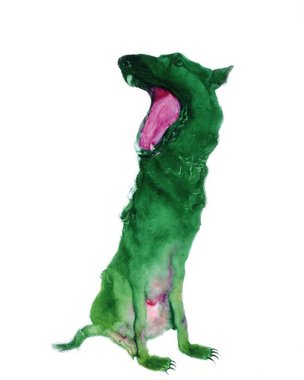
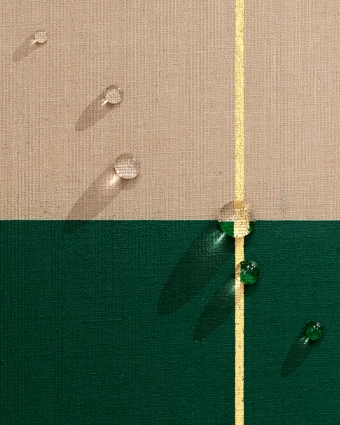
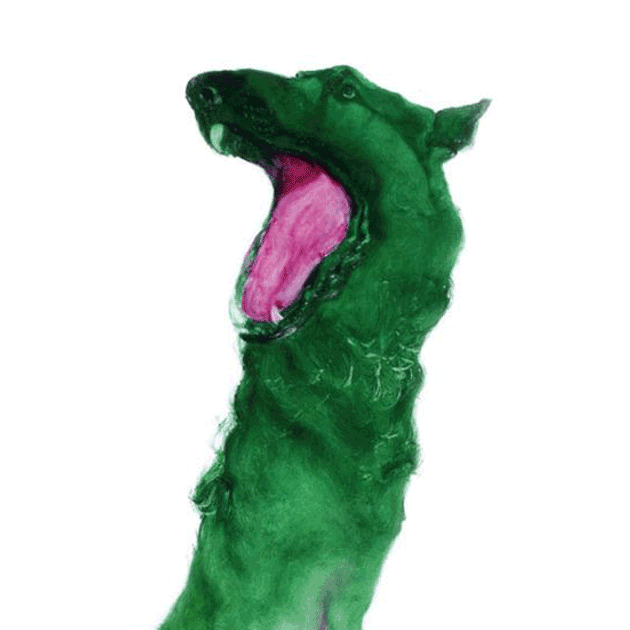
1994년, 그는 지인에게 선물 받은 독일산 양치기 개 ‘헤이건’을 작품에 등장시키며 파괴와 해체의 통쾌함을 맛보았다. 초록색 모자는 중국에서 사용되지 않으며, 그 색이 ‘내 아내가 바람났어요’라는 의미를 갖고 있다는 전설이 있다. 이에 대해 작가는 초록색을 ‘폭풍 직전의 평화’라고 해석하며, 초록색이 그에게는 중요한 상징이 된다.
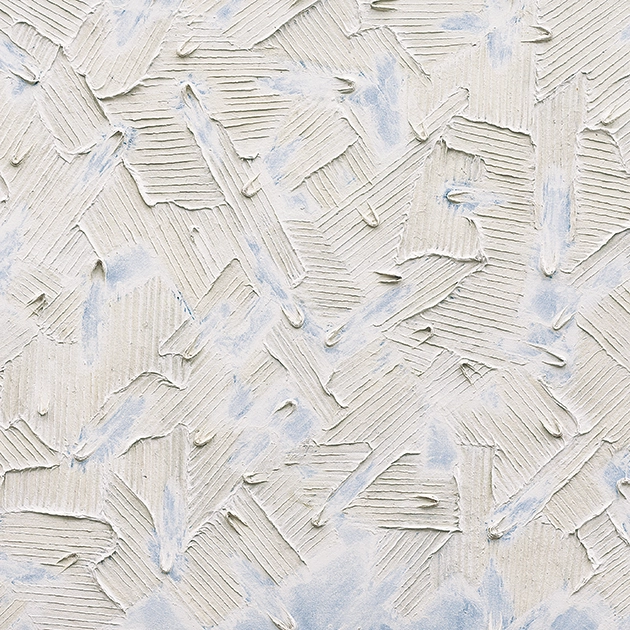
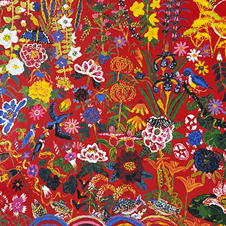
쩌춘야의 작품은 변화를 추구하면서도 전통을 담고 있다. 문학과 회화에서 나타나는 도화, 화조화의 간결한 형태와 함축성을 통해 중국 전통 미학을 주목하면서도, 자기화된 파격적인 표현을 통해 작품을 창조한다. 그의 작품 세계는 온화와 폭력의 경계에서 개인적인 사건과 감정을 중요시하며, 사회적 현실에 대한 직접적인 비판보다는 내면적 갈등과 고뇌를 표현하는 데 집중한다. 그로 인해 그의 작품은 자유롭고 역설적인 미감이 드러난다.
Zhou Chunya was born in Kunming, Yunnan Province, China, and graduated from the Oil Painting Department of Sichuan Academy of Fine Arts and the Free Arts Department of the Kassel Academy of Fine Arts in Germany. He gained recognition within the institutional art world during his university years and continues to be a prominent figure in that realm. Zhou’s artistic approach is both intellectual and dignified, yet he is known for unexpectedly breaking into irreverent humor, displaying a free-spirited nature.
In 1994, Zhou introduced the German shepherd “Heigen,” a gift from a friend, into his works, embracing the sense of destruction and deconstruction. In China, the color green is not commonly worn on hats, as it is believed to symbolize "my wife is cheating on me." Zhou interprets the color green as representing "peace before a storm," imbuing it with a unique personal significance.
His works seek change while still encompassing traditional elements. He is particularly drawn to the simplicity and depth of Chinese traditional aesthetics, such as the motifs of peach blossoms and bird-and-flower paintings in literature and painting. Zhou expresses these traditional forms in his own unique, subversive manner, emphasizing personal emotions and events rather than directly critiquing China’s social realities. His works are filled with paradoxical aesthetics, blending harmony and destruction, intense yet subtly symbolic, reflecting his inner conflicts and the changing political and economic environment of China.