쩡판츠 ZENG FANZHI
쩡판츠는 현대미술의 3세대 작가로, 중국 아방가르드 미술을 대표하는 인물이다. 2013년 홍콩 소더비 경매에서 그의 작품 ‘최후의 만찬’(2001)은 1억 8044만 홍콩달러(약 250억 원)에 낙찰되며 아시아 현대미술 사상 최고 경매가를 기록했다. 이 작품은 레오나르도 다빈치의 ‘최후의 만찬’ 속 예수와 열두 제자를 수박을 먹고 있는 열두 명의 소년 공산당원으로 재해석한 것이다.
1985년 신사조 미술운동의 시작으로 처음으로 모더니즘 미술을 접한 그는 강한 충격을 받으며, 아마추어 청년 화가들의 모임에 작품을 출품하고 후베이 미술학교 유화과에 입학했다. 대학 시절, 그는 표현주의적 방식을 집중적으로 연구하고 실험하며 졸업작품인 '병원 시리즈 Hospital Series'로 큰 주목을 받았다. 이 작품은 병원의 광경을 사실적으로 묘사하기보다 등장인물의 심리를 표현하는 데 초점을 맞췄다.
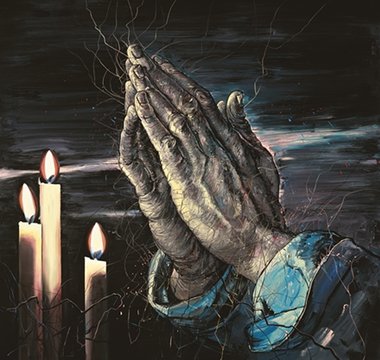
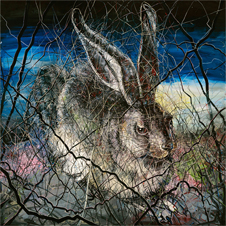
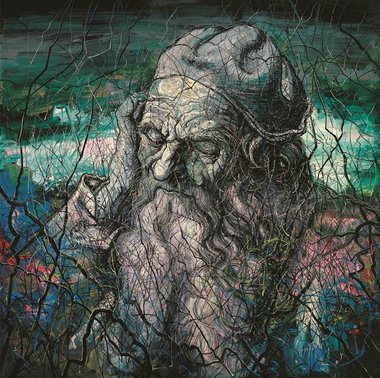
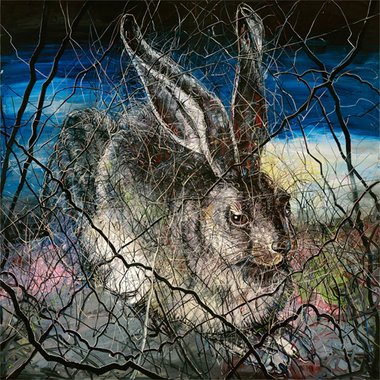
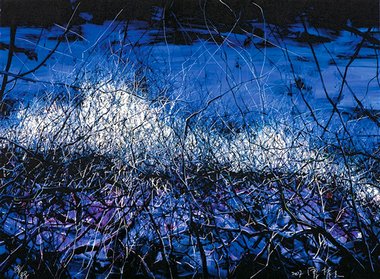
1993년 베이징으로 이주한 후, 그는 거대 도시가 내뿜는 허영과 기만, 자기만족, 고독, 이질감 등을 주제로 작업했다. 1994년부터 시작된 '가면 Mask' 시리즈는 다양한 변주를 거쳐, 2000년경에는 가면을 벗고 자신과 정치 영웅, 스타, 예술가의 초상을 해체하며 내면의 진실을 드러내기 시작했다. 2005년을 지나면서 그의 작품은 중국 전통화의 선묘법으로 진화하며, 풀과 나무에 대한 묘사에서 자유분방한 수묵화의 필법을 연상시키는 '무제 Untitled' 시리즈로 발전했다.
Zeng Fanzhi is a leading figure of the third generation of contemporary Chinese artists, representing the avant-garde movement in China. In 2013, his work “The Last Supper” (2001) was sold at a record price of 180.44 million Hong Kong dollars (approximately 25 billion Korean Won) at a Sotheby’s auction in Hong Kong, marking the highest auction price for contemporary Asian art at the time. The piece reinterprets Leonardo da Vinci’s "The Last Supper" by depicting Jesus and his twelve disciples as twelve young communist boys eating watermelon.
First introduced to modernist art during the 1985 New Wave movement, Zeng was deeply impacted by the experience and began exhibiting his works in amateur artists’ groups. He entered the Hubei Academy of Fine Arts to study oil painting, where he focused intensively on Expressionism. His graduation work, “Hospital Series,” gained significant attention for its psychological portrayal of figures rather than a realistic depiction of hospital scenes.
After moving to Beijing in 1993, Zeng began exploring themes of vanity, deception, self-satisfaction, loneliness, and alienation within the vastness of the city. His “Mask” series, which began in 1994 and continued for several years, evolved over time, finally shedding its symbolic mask and confronting desires and false consciousness. By the mid-2000s, his works evolved with a more restrained approach, incorporating traditional Chinese brush techniques, as seen in his “Untitled” series, which reflects his emotional connection to nature and inner expression through depictions of grass and trees that echo the free brushstrokes of traditional Chinese ink painting.