폴 젠킨스 PAUL JENKINS
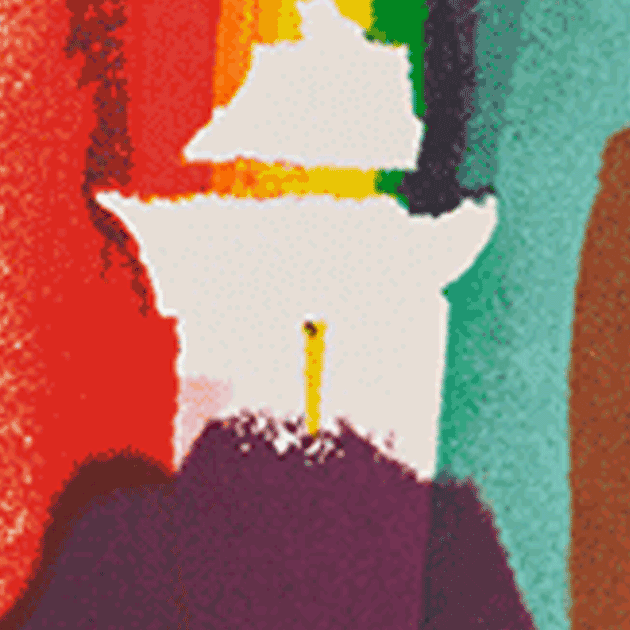
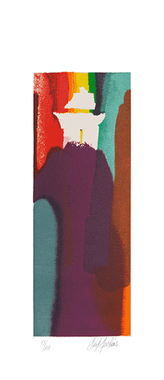
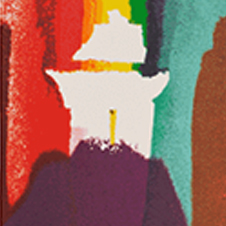
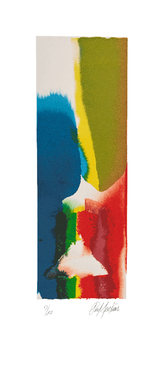
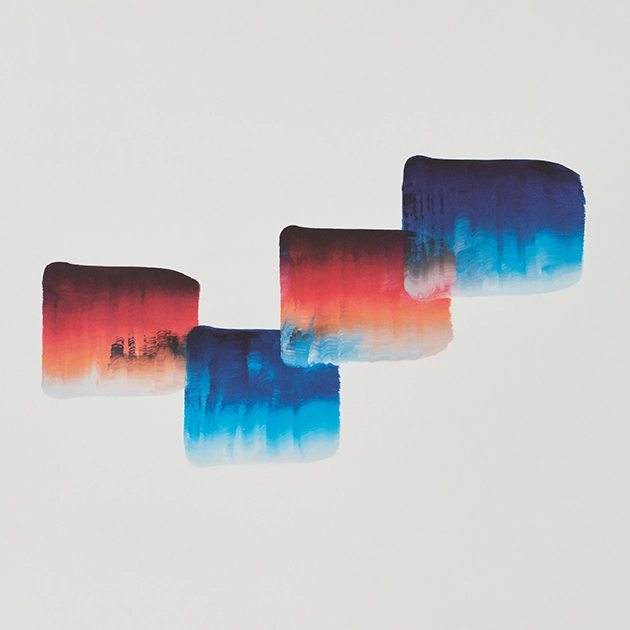
폴 젠킨스는 미국의 추상 표현주의 화가로, 색채와 빛의 상호작용을 탐구한 독창적인 작업으로 널리 알려져 있다. 그는 아크릴과 유화를 사용해 색을 흘리거나 붓과 도구로 쓸어내리는 방식으로 화면을 구성하며, 이를 통해 색의 깊이와 투명성을 극대화한다.
젠킨스는 색이 감정을 불러일으킬 수 있다고 믿었으며, 회화를 통해 관람객과의 심리적 소통을 추구했다. 초기에는 유화를 중심으로 작업하다가 점차 아크릴로 이행했으며, 상아 나이프를 활용해 부드러움과 강렬함이 공존하는 화면을 만들어냈다. 이러한 기법은 색이 스스로 움직이며 화면 위에서 살아나는 듯한 인상을 준다.
제2차 세계대전 중 미 해군 항공군으로 복무한 그는, 1948년 뉴욕에서 마크 로스코 등 추상미술의 거장들을 만나며 큰 영향을 받았다. 1950년대 파리로 이주한 이후에는 괴테의 색채 이론에 영감을 받아 작품의 제목을 ‘현상(Phenomena)’이라 명명하고, 핵심 단어나 문장을 요약한 해설을 덧붙이기 시작했다. 자연에서 받은 영감을 바탕으로 색과 형태의 상호작용을 탐구한 그의 작품은 깊은 감정을 전달하며, 오늘날에도 전 세계 주요 미술관에 소장·전시되며 많은 예술가들에게 영감을 주고 있다.
Paul Jenkins was an American Abstract Expressionist painter widely recognized for his innovative exploration of the interaction between color and light. Working primarily with acrylic and oil paint, he poured and swept color across the canvas, emphasizing depth, translucency, and the fluid movement of pigment.
Jenkins believed that color had the power to evoke emotion and sought psychological communication with the viewer through his paintings. His early work transitioned from oil to acrylic, and he often used an ivory knife to manipulate paint, creating surfaces in which softness and intensity coexist. This approach allowed color to appear as if it were unfolding organically across the canvas.
After serving in the U.S. Naval Air Arm during World War II, Jenkins encountered leading figures of Abstract Expressionism, including Mark Rothko, in New York in 1948. In the 1950s, he moved to Paris, where Goethe’s theory of color influenced him to title his works “Phenomena,” often accompanied by brief interpretive texts summarizing key words or phrases. Inspired by nature, Jenkins explored the dynamic relationship between color and form, conveying profound emotional depth while pursuing innovation and a pluralistic vision. His works continue to be exhibited in major museums worldwide and remain a lasting source of inspiration for contemporary artists.