이중섭 LEE JUNG SEOP
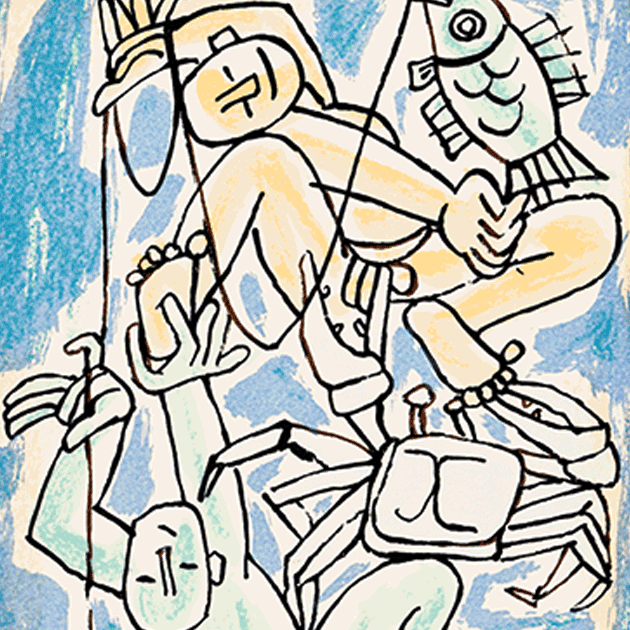
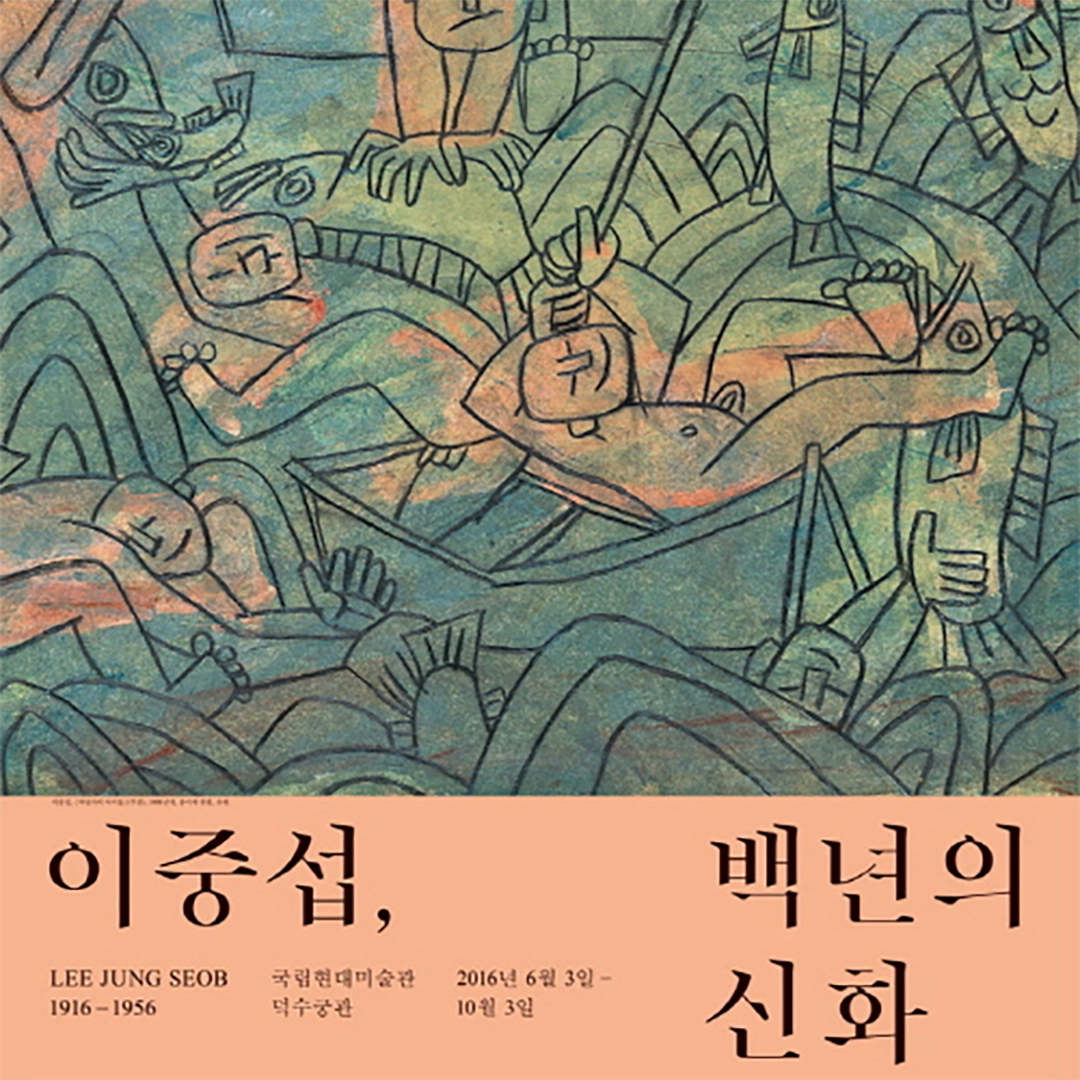
이중섭은 굵고 강인한 선으로 소와 천진한 아이들을 그리며, 박수근과 함께 한국 근대 서양화의 거목으로 손꼽힌다. 평남 평원의 부유한 가정에서 태어난 그는 한문 사숙에서 고전을 배우고, 평양의 보통학교에서 그림을 그리며 성장했다. 이후 오산학교에서 예일대와 파리에서 유학한 임용련에게 본격적으로 미술을 배우고, 일본 문화학원에서 모더니즘 미술을 공부하며 독특한 작품세계를 구축했다.
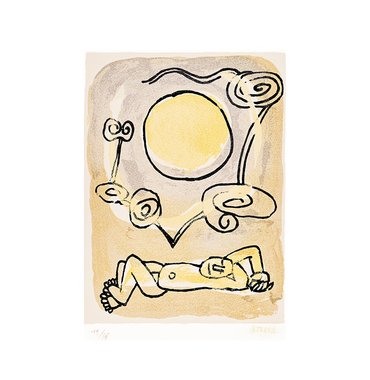
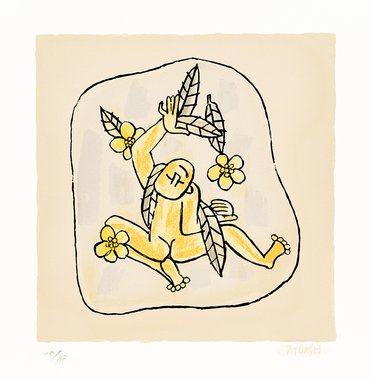
그의 초기 작품은 민족의식이 담긴 향토적인 요소를 지니고 있으며, 가족과의 이별을 주제로 한 은박지 그림에서는 시대와 개인의 감정을 깊이 있게 표현했다. 이중섭은 자유로운 기질과 예민한 감수성을 지닌 순진무구한 인물로, 그의 문제의식과 재능은 이별의 고통과 그리움 등 자신의 삶을 반영한다. 개인적 고뇌를 진솔하고 생생하게 표현한 그의 화법은 한국 미술의 중요한 전형을 이루었다.
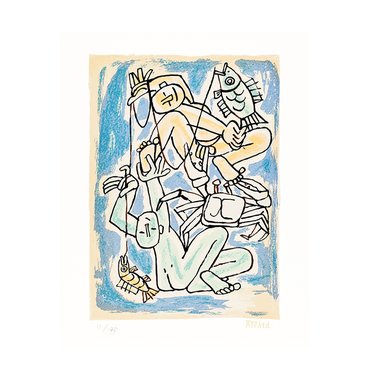
현존하는 소묘와 회화작품, 후기의 은지화는 자유자재한 선묘와 서정적 표현이 돋보이며, 아내 마사코와 아이들과의 제주에서의 짧은 생활을 담은 천진한 그림들과 편지에는 그의 고독과 외로움, 가족에 대한 사랑이 고스란히 담겨 있다. 그는 종군화가와 미술교사로 활동하며 김병기, 유영국, 구상, 박인환, 전혜린과 교류하며 한 시대를 풍미했지만, 아프고 궁핍한 삶을 살았다. 서른아홉의 짧은 생애 동안 <아이들과 물고기와 게>, <길 떠나는 가족>, <사내와 아이들>, <소와 어린이>, <투계>, <황소> 등 많은 작품을 남겼고, 1978년에는 은관 문화훈장을 수상했다. 현재 제주도에는 이중섭 거주지, 이중섭거리, 이중섭박물관이 존재한다.
Lee Jung Seop is regarded as a towering figure of modern Korean Western painting alongside Park Su-geun, known for his bold, powerful lines depicting oxen and innocent children. Born into a well-to-do family in the plains of Pyeongnam, he studied classical Chinese at a private academy and grew up drawing at an elementary school in Pyongyang. He later received formal art training from Lim Yong-ryeon at Osan School—who had studied at Yale University and in Paris—and went on to study modernist art at the Bunka Gakuin in Japan, where he developed his distinctive artistic world.
His early works carry strong local and nationalistic elements, while his silver-foil paintings centered on separation from family convey profound emotions of both the era and the individual. A pure and guileless figure with a free spirit and keen sensitivity, Lee Jung Seop reflected his own life—marked by pain, longing, and separation—through his artistic concerns and talents. His sincere and vivid expression of personal anguish established an important archetype in Korean art.
Existing sketches, paintings, and later silver-paper works reveal masterful line drawing and lyrical expression. The naïve drawings and letters depicting his brief life in Jeju with his wife Masako and their children are imbued with his loneliness, solitude, and deep love for his family. While he was active as a war artist and art teacher and interacted with figures such as Kim Byung-ki, Yoo Young-kuk, Ku Sang, Park In-hwan, and Jun Hye-rin—shaping an era—his life remained fraught with illness and poverty. During his short life of thirty-nine years, he left many works including <Children, Fish, and Crabs>, <Family on the Road>, <Man and Children>, <Ox and Child>, <Cockfight>, and <Bull>, and received the Silver Crown Order of Cultural Merit in 1978. Today, Jeju Island is home to his former residence, Lee Jung Seop Street, and the Lee Jung Seop Museum.